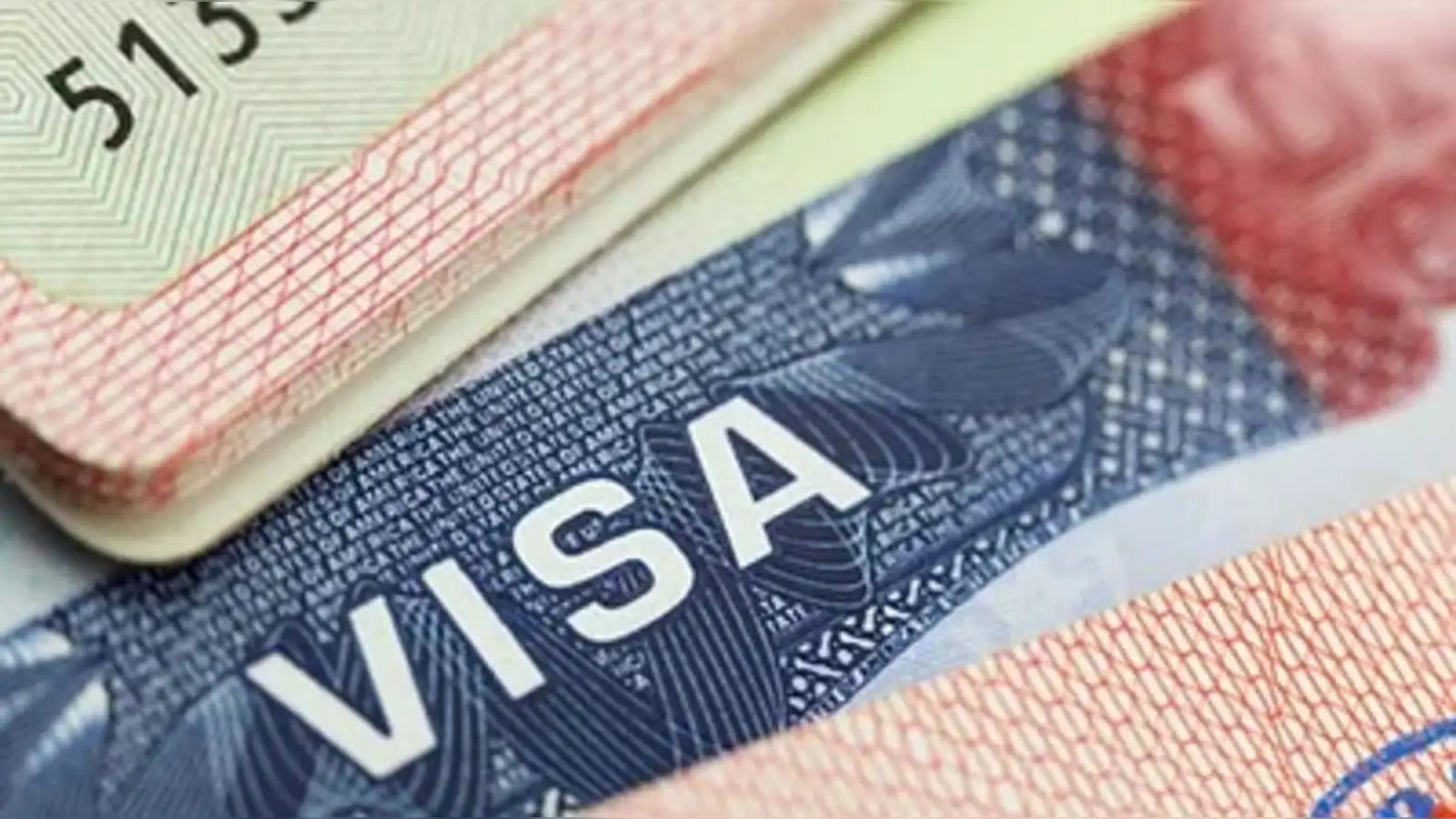
The U.S. government is reportedly evaluating a policy that would require certain foreign nationals to pay a substantial deposit — potentially up to $15,000 — as a condition for obtaining a visa. The proposal, which has sparked debate among immigration experts and international travelers alike, aims to encourage compliance with visa terms and reduce instances of overstaying permitted periods of stay.
Although the policy has not been completely put into practice, conversations regarding the visa bond have been taking place over the past few years, especially concerning immigration control and national security. The intention is to utilize the monetary deposit as a preventive measure: travelers would need to exit the country within the time permitted by their visa, or they would risk losing the funds they submitted as a bond.
The proposed requirement would likely target applicants from countries with historically high rates of visa overstays, as identified in official U.S. Department of Homeland Security (DHS) reports. By tying financial responsibility to visa compliance, the government seeks to promote lawful entry and exit behaviors, while also reducing the administrative burden of tracking and managing overstays.
Supporters of the policy argue that a refundable bond provides a straightforward, enforceable mechanism to enhance accountability without broadly restricting legal travel. They contend that such a system is not meant to punish travelers, but rather to create a framework where visa obligations are taken seriously. For those who comply with their visa terms and depart on time, the full deposit would be returned.
However, some critics contend that the financial demands may be too high for a large number of potential applicants — especially those who are students, employees, or tourists originating from countries with low to middle income levels. For these visitors, a deposit of $15,000 might render the visa application process unattainable, leading to inequalities and reinforcing financial obstacles to access. Opponents further voice worries that such regulations might impede genuine travel and harm diplomatic ties with the countries involved.
In the event of implementation, the bond system would probably pertain to nonimmigrant visa types like B-1/B-2 visitor visas, designed for short-term business or tourism visits. Applicants for visas from nations with historically low compliance or where overstaying has been a continuous issue might face the bond obligation. Additionally, the initiative might be rolled out as a trial, focusing on a select number of nationalities to evaluate its effectiveness.
The idea of a visa bond is not entirely new. A short-lived pilot program was introduced under the Trump administration in late 2020, which authorized consular officials to request bonds ranging from $5,000 to $15,000 from applicants in designated countries. That program expired in mid-2021 and was never widely enforced. Nonetheless, its framework has continued to influence policy discussions within immigration and national security circles.
As the U.S. seeks to balance security concerns with its role as a global destination for education, tourism, and business, visa policy continues to be a focal point of public debate. The potential return of a bond-based system would mark a significant shift in how the country enforces compliance and assesses risk among short-term visitors.
Legal experts observe that reapplying the visa bond must address logistical and diplomatic hurdles. At consulates globally, managing and returning these substantial deposits might lead to operational issues. Similarly, host nations could perceive the policy as harsh or unfair, possibly leading to reciprocal actions or strained bilateral ties.
Existe también la cuestión de si un bono financiero realmente disminuye las estadías prolongadas. Aunque los incentivos económicos pueden afectar el comportamiento, los expertos en inmigración indican que las estadías prolongadas suelen originarse en una mezcla compleja de factores, como dificultades personales, malentendidos sobre los términos de la visa o cambios en las circunstancias tras la llegada. Un sistema de bonos podría no abordar estas causas fundamentales y en su lugar podría crear obstáculos sin lograr reducciones significativas en el incumplimiento.
Supporters argue that the initiative ought to be seen as one of several instruments within a larger plan that encompasses education, better visa processing, and improved monitoring. They further assert that refundable bonds provide a more compassionate option compared to more severe enforcement tactics like detention or fast-tracked removal, which tend to be more expensive and adversarial.
As immigration policy continues to be a controversial topic in U.S. politics, choices regarding visa regulations and enforcement often reveal wider ideological differences. Some believe that tighter regulations are crucial for maintaining border control, while others emphasize the need for openness and accessibility, particularly as the nation recovers from disruptions caused by the pandemic and works to restore international involvement.
The future of the proposed visa bond remains uncertain. Any move to implement or expand such a system would likely be subject to public comment, legal scrutiny, and possible revisions before taking effect. In the meantime, foreign nationals seeking to visit the United States are encouraged to stay informed of policy developments and work closely with consular officials to ensure compliance with all requirements.
As the debate continues, the core issue remains unchanged: how best to uphold the integrity of the U.S. visa system while maintaining fairness, accessibility, and international goodwill. Whether a monetary bond becomes part of that strategy will depend on how policymakers balance these competing priorities in the months ahead.