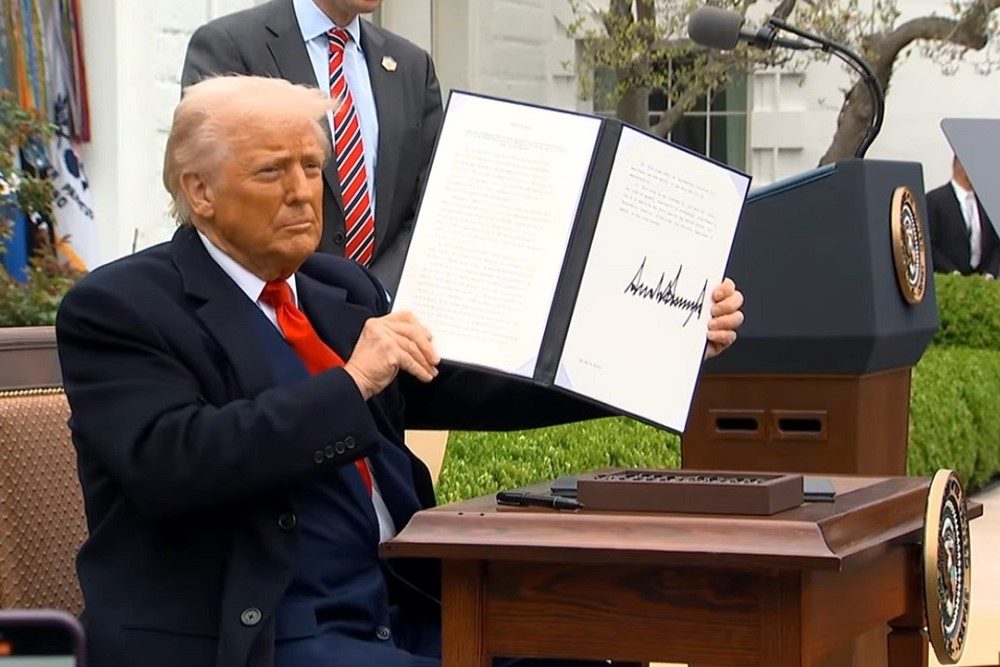
The recent announcement of new tariffs by Donald Trump has caused a ripple of reactions across global markets. Businesses from various sectors are now re-evaluating their strategies as they prepare for the impact of these trade changes. With new import taxes ranging from 10% to 41%, many companies find themselves in a state of uncertainty—unsure whether to brace for disruption, adapt quickly, or find alternative solutions.
These tariffs are part of a broader effort by Trump to reshape global trade relationships. While the intention may be to protect domestic industries, the reality is more complex. Companies around the world, including in the United States, are now calculating the potential costs of doing business under these new conditions.
One of the most immediate concerns for many industries is the increased cost of imported goods. For manufacturers, particularly those who rely on parts or raw materials from overseas, the price hike could affect production budgets. Sectors such as automotive, electronics, appliances, and even some food producers are expected to feel the pressure first. When materials become more expensive, it often leads to higher prices for consumers or reduced profit margins for companies.
For those who export, the issue alters a bit. Certain nations are currently confronted with tariffs that might render their products less appealing or affordable in the American market. This situation might decrease sales, diminish income, and potentially result in job losses if there is a notable decline in demand. For smaller companies that rely on consistent international partnerships, the obstacle could be even more significant.
The financial markets have responded in kind. In the days following the announcement, several stock indexes experienced mild volatility. Investors are known to react quickly to policy changes that could affect trade and economic stability, and this case has been no different. Some sectors have seen more pressure than others, especially those heavily involved in global supply chains.
Although there were initial worries, not every company is responding with alarm. Actually, several consider the tariffs to be within their control or even a chance for growth. Nations or areas that face reduced tariffs could utilize this moment to enhance trade relationships with the U.S., by providing incentives or forming alliances to fortify business connections. Some might redirect their exports to other markets, broadening their customer base to lessen reliance on a single nation.
In the U.S., domestic companies are also weighing their options. For many, absorbing the new costs may not be sustainable in the long term. Some plan to raise prices, while others are reviewing their supply chains to find local or tariff-free suppliers. This process of realignment could take time and may affect how efficiently they operate.
Retailers and consumers might notice differences too. If the increased costs of imports are transferred along the supply chain, the prices of daily items might go up. This is especially worrisome for households and people already dealing with limited budgets. Should inflation speed up because of tariff-related hikes, it could emerge as a fresh challenge for the wider economy.
Still, not every business sees the situation negatively. Some U.S. manufacturers welcome the move, hoping it will encourage more domestic production and reduce foreign competition. These companies argue that the tariffs could eventually lead to job creation and stronger industrial growth within the country. However, this outcome depends on many factors, including consumer demand, labor availability, and the ability of domestic firms to scale production.
Apart from the economic aspects, the political implications of the tariffs hold considerable importance. Trump’s trade strategy prioritizes national priorities, encourages local manufacturing, and aims to adjust trade imbalances. Regardless of whether people support or oppose this tactic, the tariffs clearly indicate that international companies need to remain flexible and adaptive in a rapidly shifting environment.
Long-term, the full effects of these measures remain to be seen. Tariffs can take time to ripple through markets and supply chains. Some impacts will appear immediately, while others may unfold gradually over months. Businesses that plan ahead, diversify their sources, and stay informed will be in a better position to manage the risks.
There’s also the question of how other governments might respond. Retaliatory tariffs or revised trade agreements could emerge, changing the global trade map even further. For multinational companies, this adds yet another layer of complexity to their operations and planning.
The new tariffs introduced by Trump have sparked a wide range of reactions—from concern and uncertainty to strategic planning and cautious optimism. Whether the overall effect will be positive or negative depends largely on how quickly businesses adapt and how governments respond. What is certain is that the global trade environment has become more unpredictable, and flexibility will be key for businesses aiming to remain competitive in this shifting landscape.