Despite the remarkable advancements in our understanding of human evolution, there remain certain aspects of the human body that continue to puzzle scientists. While evolutionary theory explains much about how humans developed over millions of years—from upright walking to the expansion of the brain—some body parts persist without clear explanations for their presence, function, or evolutionary purpose. These physical remnants serve as fascinating clues to our ancient past, yet their precise origins and roles remain partially shrouded in mystery.
An often-cited example of an evolutionary puzzle is the human appendix. Previously considered a useless organ without significant function, it was believed to be a mere remnant from our plant-eating ancestors. Initial theories proposed that it helped in digesting plant material high in cellulose. However, given the dramatic changes in the human diet over thousands of years, its utility seemed diminished. Recent research, however, has suggested that the appendix might assist in preserving gut bacteria and aiding the immune system. Nevertheless, its continued presence and occasional inflammation, leading to appendicitis, still provoke questions.
Another interesting aspect is the existence of wisdom teeth. These third molars, which generally appear in early adulthood, were probably crucial for our ancestors who consumed raw vegetables and tougher, uncooked meats. Their bigger jaws had space for more teeth to break down coarse foods. As time passed and human diets became softer and cooking became common, jaw sizes shrank, providing less space for these molars to emerge without causing crowding or impaction. Nowadays, wisdom teeth are usually extracted because they have little functional value and often result in dental issues. The continuation of this characteristic indicates that evolution has yet to align with the shifts in human habits and diet.
The coccyx, also known as the tailbone, provides insight into our evolutionary past. This tiny, triangular bone located at the bottom of the spine is a leftover from tails owned by numerous primate forebears. Despite the absence of visible tails in contemporary humans, the coccyx persists. Some scientists suggest it still acts as a point of attachment for different muscles and ligaments. However, its initial role in tail support has disappeared, leaving a remnant with a function that is no longer crucial for human endurance.
Similarly, those tiny bumps that show up on our skin when we feel chilly or scared are a reflex we’ve inherited from our animal ancestors. In animals with dense fur, this reaction, known as piloerection, causes the hairs to stand up, offering better insulation or making the creature look larger to its enemies. For people, though, this reflex doesn’t serve much purpose, as our mostly hairless skin doesn’t provide such protection or deterrence. The mechanism is still present, a remnant from our evolutionary history.
Another body part that invites curiosity is the male nipple. Both male and female embryos initially develop along the same biological pathway, which includes the formation of nipples before sex differentiation occurs. In females, nipples serve an essential reproductive function, but in males, they remain without a corresponding purpose. Although harmless, male nipples exemplify how certain features persist simply because they don’t create any evolutionary disadvantage significant enough to be phased out over generations.
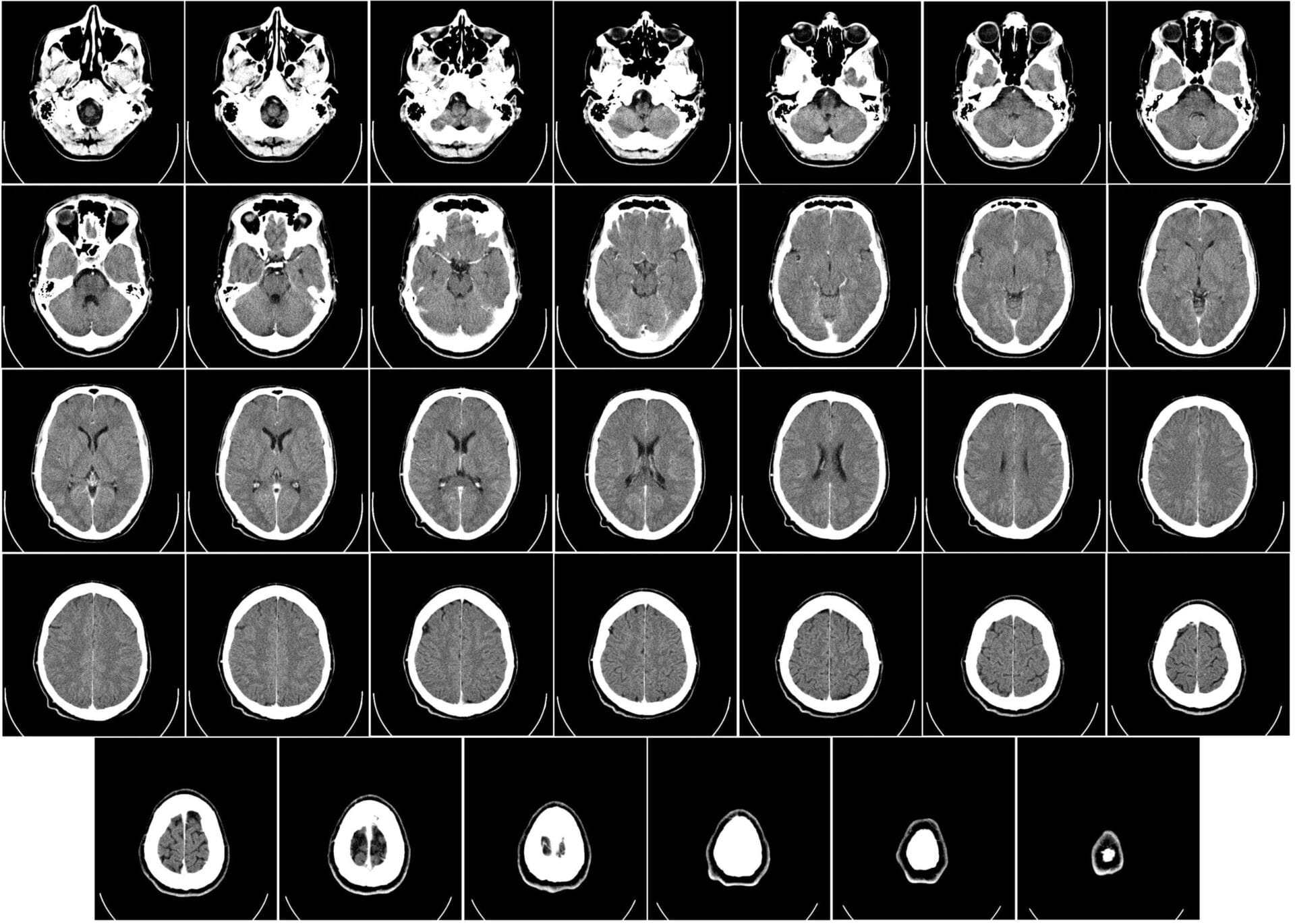
Sinuses are another anatomical characteristic with an unclear evolutionary purpose. These air-filled pockets in the skull might have helped reduce the weight of the head or assisted in controlling air temperature and humidity. However, they are well-known for causing pain through infections or allergic responses. Some scientists suggest that the advantages they once offered are no longer relevant in today’s settings, leaving us with a structure that tends to cause issues without an obvious functional role.
The palmaris longus muscle in the forearm is another interesting example. Found in some individuals but absent in others, this muscle has little bearing on modern hand strength or movement. In the past, it may have played a more significant role in climbing or gripping. Today, its presence or absence makes no practical difference in daily life, and surgeons often remove the muscle for grafting procedures without noticeable loss of function.
Additionally, Darwin’s tubercle—a small, folded point on the outer ear—remains in some people, believed to be an evolutionary leftover from ancestors with more mobile, pointed ears. While in other mammals, such features are essential for directional hearing, in humans, the structure serves no discernible purpose, reflecting changes in sensory reliance and environmental adaptation.
While these tangible leftovers remain a point of interest, they also emphasize the gradual and flawed progression of evolution. Evolution doesn’t aim for perfection but instead selects attributes that offer a sufficient edge for better survival and reproduction. Characteristics that neither impede survival nor offer substantial benefit might simply endure across generations due to the lack of strong selective pressure to remove them.
Furthermore, evolutionary transformations transpire over extensive periods. As human living conditions, eating habits, and surroundings have altered significantly in merely a few thousand years—a mere instant in evolutionary perspective—the human body is not fully adapted to all these alterations yet. This discrepancy explains why some characteristics, once vital, now appear unnecessary or challenging.
Genetics also plays a role in the continuation of these traits. Certain evolutionary changes demand not only an alteration in behavior but also relevant genetic mutations that become widespread among groups. In the absence of these genetic factors, physical attributes may persist long after their initial function has become outdated.
In certain instances, the full importance of specific body structures remains to be identified. Scientific research consistently unveils new roles and unnoticed advantages of features once thought to have no purpose. For instance, although the appendix was previously dismissed as insignificant, its possible involvement in immune responses has prompted a reassessment. These findings emphasize that the study of evolution is a continuous journey of investigation and comprehension.
The continued existence of these enigmatic body parts offers significant understanding into the common lineage of current living beings. Investigating the evolutionary background of features like the coccyx or goosebumps links humans to larger patterns in the natural world, uncovering shared elements between species that might appear quite distinct at first glance.
In the modern age, where advancements in medical science and technology enable us to modify or address the impacts of certain evolutionary remnants—like extracting wisdom teeth or addressing sinus conditions—it is simple to miss the profound biological stories they convey. Nevertheless, these apparently minor aspects reveal a compelling tale of adaptation, survival, and transformation.
As investigations in the fields of genetics, paleontology, and evolutionary biology progress, it’s possible that some persistent enigmas might eventually be unraveled. At present, though, they continue to serve as indications of the complex and ongoing path of human evolution—a path influenced by both necessity and randomness, where not every characteristic has a clear explanation.
Ultimately, these mysterious body parts provide an intriguing insight into the intricacies of human development. They remind us that evolution is not flawless but a dynamic journey, characterized by advancements as well as remnants of our past. In these vestiges, we discover a profound link to nature and the collective history of life on our planet.