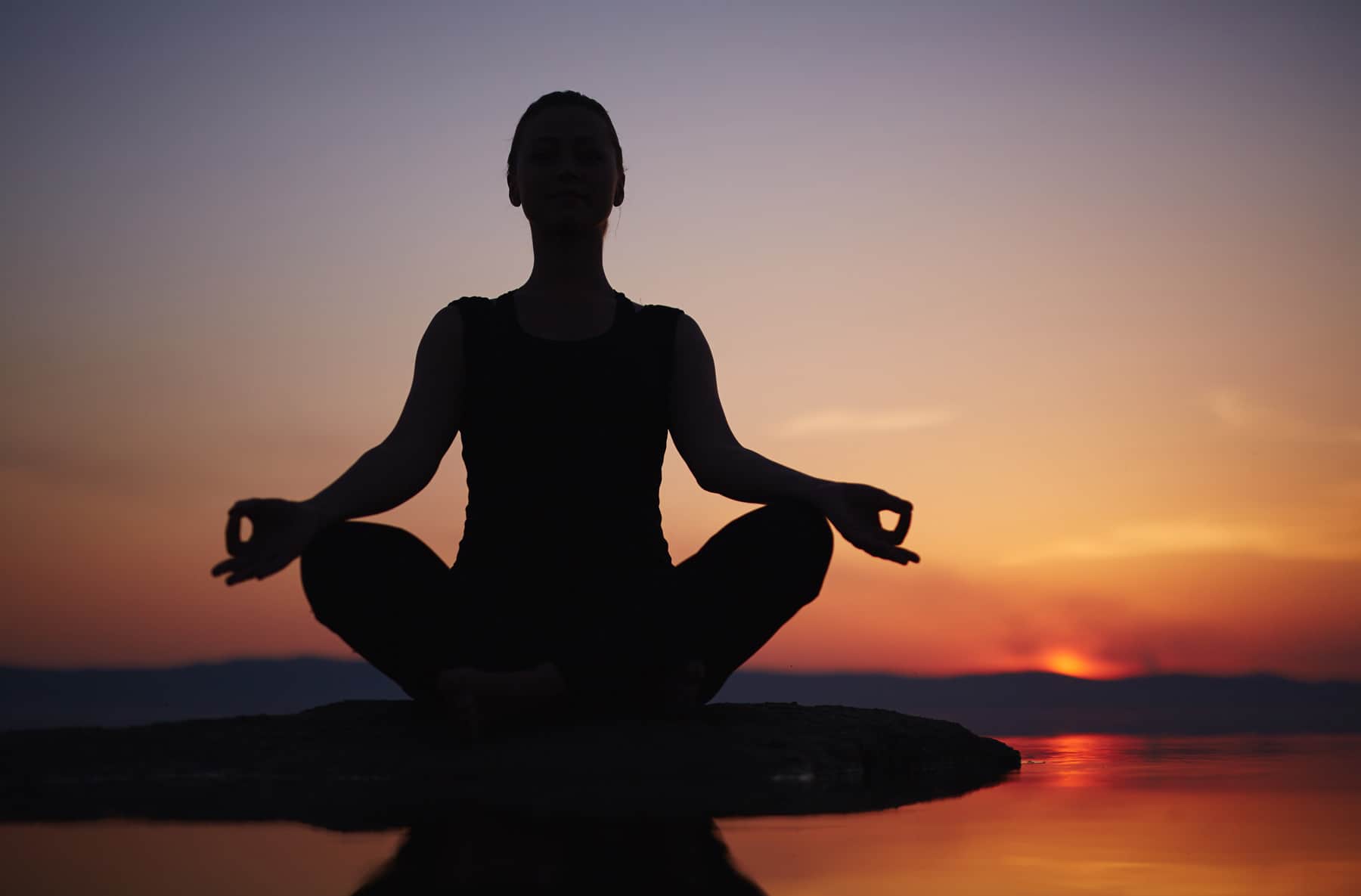
Meditation is a mental practice involving focused attention, awareness, and presence, designed to cultivate mental clarity and emotional calmness. The origins of meditation date back thousands of years, rooted in ancient spiritual traditions such as Hinduism, Buddhism, and Taoism. Over centuries, meditation has evolved, gradually becoming secular and widely accepted in modern psychological and clinical settings.
Modern definitions emphasize meditation as a systematic technique, usually involving the regulation of attention. This typically includes focusing on a single object, thought, sensation, or the process of observing thoughts and feelings non-judgmentally. There are various forms of meditation, including mindfulness meditation, transcendental meditation, loving-kindness meditation, body scan, and guided visualization, among others.
The Process: How Does Meditation Work?
The practice of meditation generally starts by locating a peaceful environment and adopting a relaxed position. Individuals might shut their eyes, inhale deeply, and shift their attention, frequently towards their breathing, physical feelings, or a recurring word or expression, known as a mantra. Diversions and stray thoughts are not aggressively dismissed but rather noticed, recognized, and softly let go.
Neurologically, meditation is associated with changes in brain activity. Functional MRI studies reveal increased activation in areas responsible for attention regulation, emotional control, and self-awareness, such as the prefrontal cortex and the anterior cingulate cortex. Meanwhile, regions involved in mind-wandering and rumination, like the default mode network, show reduced activity during meditation.
Types of Meditation Practices
Exploring the diverse forms of meditation offers a deeper comprehension of their distinct advantages.
Mindfulness Meditation: Originating from Buddhist traditions, this form encourages awareness of present-moment experiences, including thoughts, emotions, and bodily sensations. It demands non-judgmental observation which fosters acceptance and reduces reactivity.
Transcendental Meditation: This practice involves silently repeating a specific mantra to settle the mind and reach a state of restful alertness. It is widely researched and utilized in stress reduction programs.
Guided Visualization: Here, practitioners use sensory imagery, often led by a facilitator or audio recording, to elicit relaxation and positive emotional states.
Body Scan: This practice entails methodically focusing on various bodily regions, enhancing one’s perception of their physical self, and alleviating tightness.
Loving-Kindness (Metta) Meditation: This exercise involves fostering feelings of benevolence and empathy for oneself and others, which has been demonstrated to boost positive sentiments and understanding.
Scientific Evidence of Meditation’s Impact on Mental Health
Substantial research underscores the positive effects of meditation on mental health. A pivotal meta-analysis published in JAMA Internal Medicine (2014) examined over 18,000 scientific articles, identifying moderate evidence that mindfulness meditation programs alleviate anxiety, depression, and pain.
Research undertaken by scientists at Harvard Medical School has shown that engaging in mindfulness techniques can diminish both the volume and responsiveness of the amygdala—the brain’s fear hub—leading to a decrease in sensations of stress and worry. Additionally, meditation has been correlated with an increase in the concentration of gray matter in the hippocampus, an area connected to learning, recall, and emotional control.
Regular meditation is correlated with reduced symptoms and improved outcomes for individuals experiencing mood disorders, such as major depressive disorder and generalized anxiety disorder. Noteworthy clinical trials found that participants who practiced mindfulness-based cognitive therapy exhibited a 43% reduction in relapse rate for major depression compared to those receiving standard care.
Case studies highlight profound transformations. For example, a 45-year-old educator battling persistent anxiety noted significant enhancements in emotional control and concentration following a ten-week mindfulness meditation course, experiencing a reduction in panic episodes and better daily performance.
Beyond anxiety and depression, meditation supports attention regulation, reduction in rumination, and enhancement of cognitive flexibility. In randomized controlled trials involving individuals with attention-deficit/hyperactivity disorder, meditation-based interventions led to better concentration and impulse control.
Mechanisms: How Meditation Benefits Mental Health
Meditation’s beneficial influence on mental well-being manifests via both biological and psychological pathways.
Stress Reduction: Meditation activates the parasympathetic nervous system, lowering cortisol levels and heart rate, leading to physical and psychological relaxation.
Neuroplasticity: Consistent meditation practice alters brain architecture, reinforcing neural circuits linked to positive affect and emotional stability. MRI imaging verifies enhanced cortical density and interconnectedness in individuals who meditate regularly.
Emotional Regulation: Techniques such as mindfulness foster metacognitive awareness—the ability to recognize emotions without becoming overwhelmed. This self-observation diminishes emotional reactivity and enhances coping strategies.
Mitigating Detrimental Thought Cycles: Consistent engagement disrupts repetitive and exaggerated negative thinking, frequently observed in states of depression and anxiety. Participants acquire the ability to view their thoughts objectively, thereby diminishing the emotional impact of adverse mental content.
Fostering Self-Kindness: Techniques such as loving-kindness meditation encourage self-acceptance and pardon, effectively combating severe self-judgment and persistent sensations of not being enough.
Modern Meditation: Uses and Availability
Modern society, with its relentless pace and information overload, has driven widespread adoption of meditation in diverse settings. Corporations, hospitals, schools, and rehabilitation centers integrate meditation programs to enhance emotional well-being and productivity.
Accessible mobile applications such as Headspace and Calm offer structured meditation guidance, making practices available to millions regardless of prior experience. Community centers and universities sometimes organize free or low-cost group sessions, reducing barriers and stigmas associated with seeking mental health support.
Not everyone engages in meditation identically. Some individuals favor short, daily sessions lasting 5–10 minutes, whereas others commit to more extended durations. Crucially, scientific evidence suggests that even brief, regular practices can yield noticeable advantages.
Obstacles and Factors to Ponder in Meditation
While meditation holds promise, there are nuanced challenges. Beginners may encounter frustration, impatience, or difficulty maintaining focus. Misconceptions about immediate results can lead to discouragement.
Cultural and personal variations influence reactions; not every meditation approach is appropriate for everyone. For individuals experiencing specific psychiatric issues, like profound trauma, initial engagement with meditation might briefly heighten discomfort. Expert supervision, especially from therapists skilled in mindfulness-oriented treatments, could be essential in these situations.
Additionally, sustaining a meditation habit requires intentionality, motivation, and often communal support. Incorporating meditation into daily routines—such as morning rituals, commute breaks, or evening winddowns—may increase adherence and long-term benefit.
A vibrant, research-backed approach to improving psychological well-being
Through its physical, neurological, and emotional pathways, meditation aids in diminishing stress, enhancing emotional control, and fostering a well-rounded outlook. Its ease of access and flexibility enable individuals to customize their practices to suit their specific requirements and situations, positioning meditation as a valuable addition to conventional mental health strategies.
As the global conversation on wellness evolves, meditation stands as both a personal discipline and a public health resource, inviting ongoing exploration into its transformative potential for the mind, brain, and society at large.