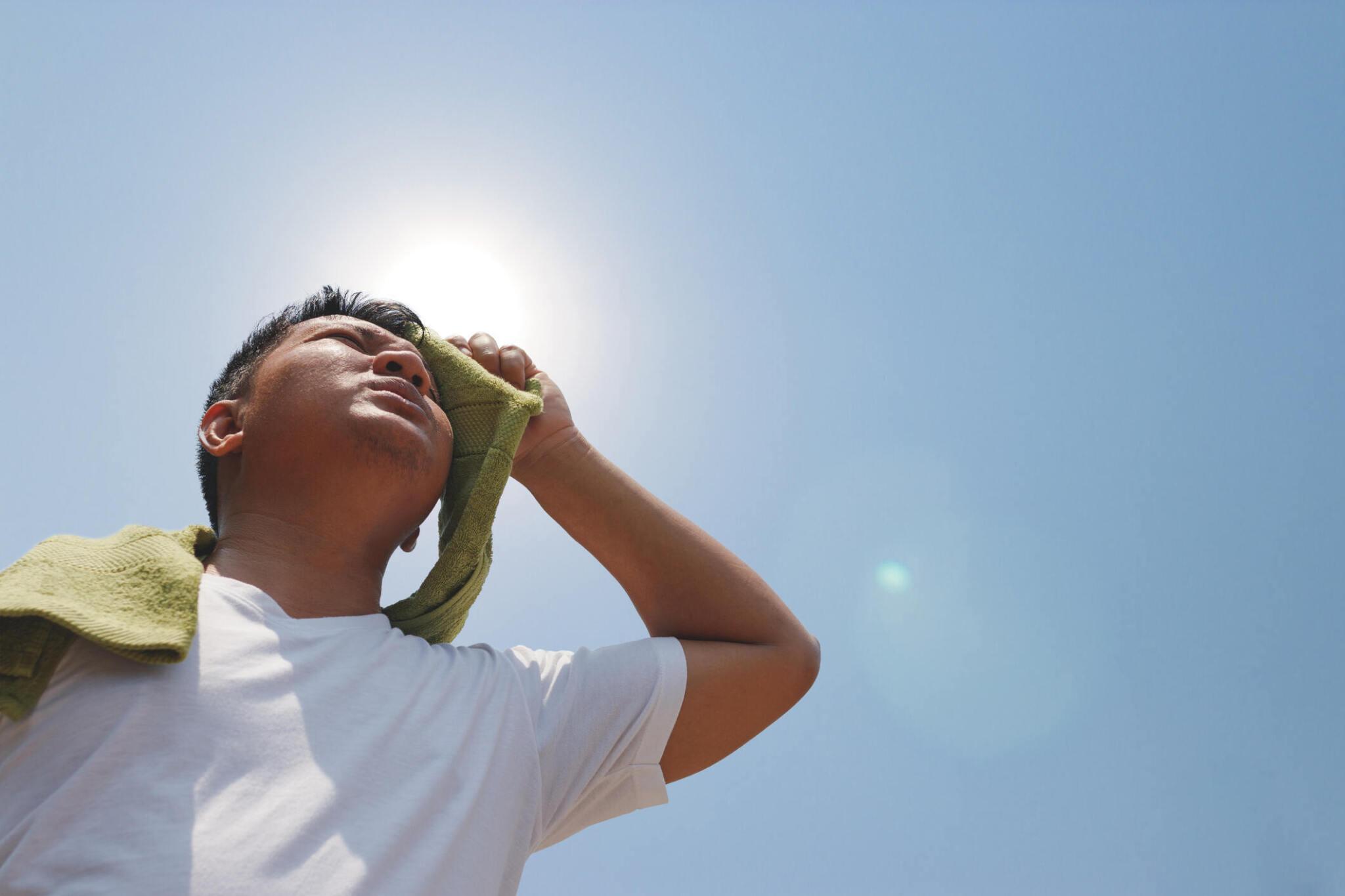
Dehydration occurs when the body loses more fluids than it takes in, resulting in insufficient water to carry out normal bodily functions. This condition can affect anyone, though certain groups such as infants, young children, elderly people, and those with chronic illnesses are more susceptible. Dehydration can arise from a variety of causes, ranging from common daily occurrences to more serious health conditions. Understanding its causes, symptoms, and preventive measures is essential for maintaining good health.
Causes of Dehydration
Dehydration can be caused by multiple factors, each affecting fluid levels in the body differently. One of the most prevalent causes is inadequate water intake, where individuals do not drink enough fluids to meet their body’s needs. This might be due to a busy lifestyle, lack of access to clean water, or simply not recognizing the sensation of thirst.
Another frequent reason is the significant loss of fluids, which might happen through different methods like sweating, urination, or breathing, especially when engaging in physical activities or being in warm surroundings. For example, athletes frequently face dehydration during strenuous exercises if they fail to adequately restore their fluids.
Sicknesses can result in dehydration, particularly if they present with symptoms such as nausea, loose stools, or elevated temperature. For instance, an intestinal infection could lead to substantial water loss in the body rapidly, requiring urgent rehydration to avoid severe issues.
Symptoms of Dehydration
The signs of dehydration differ depending on how severe the condition is, from minor to serious. Minor dehydration could show up as feeling thirsty, having a dry mouth, or producing less urine, with the urine becoming darker and more yellowish. Tiredness and lightheadedness may also be present, affecting everyday tasks and concentration.
Severe dehydration can exhibit more alarming signs, including intense thirst, parched skin, a fast heartbeat, and confusion. In extreme situations, it might result in critical conditions like heatstroke or hypovolemic shock, demanding immediate medical care.
Precautionary Actions
Preventing dehydration involves adopting habits that ensure adequate fluid intake. Drinking plenty of water throughout the day is crucial, especially for individuals engaged in physical activities or residing in hot climates. Incorporating hydrating foods, like fruits and vegetables, can also contribute to maintaining fluid balance.
Observing physical indicators is another useful method for preventing issues. Being alert to feelings of thirst and frequently examining the color of urine can be beneficial for assessing hydration status. Moreover, getting ready for strenuous activities by drinking fluids beforehand can reduce the likelihood of dehydration.
Dehydration in Special Populations
Some groups of people face a greater danger of becoming dehydrated, requiring particular attention. For example, seniors might not feel thirsty as often and should deliberately drink more liquids. Likewise, babies and young kids can lose fluids faster than grown-ups, so parents and guardians need to make sure they’re consuming sufficient amounts, particularly when they’re sick with conditions such as colds or flu.
In people with chronic conditions, such as diabetes, managing dehydration is an integral part of their overall health strategy. Proper hydration supports bodily functions like circulation and temperature regulation, which are critical in managing such conditions.
Reflecting on the implications of dehydration highlights its impact on both daily function and long-term health. Recognizing the nuances of fluid balance and adopting routine strategies to maintain hydration can enhance well-being significantly. It is essential to remain vigilant and proactive in addressing the causes and symptoms associated with dehydration, fostering a healthier lifestyle for all.