What Foods Can Aid in Reducing Cholesterol Levels?
Comprehending how dietary choices affect cholesterol balance is vital for keeping the heart healthy. Cholesterol, a fatty substance present in the blood, plays a key role in cell construction, but too much of it can cause heart issues. Different types of food can contribute to managing ideal cholesterol levels, thus supporting general heart wellness.
The Importance of Soluble Fiber in Controlling Cholesterol Levels
Soluble fiber plays an essential role in the effort to reduce cholesterol levels. Present in foods such as oats, beans, lentils, apples, and strawberries, soluble fiber is capable of lowering the uptake of cholesterol into the bloodstream. Consuming 5 to 10 grams of soluble fiber each day can aid in reducing LDL cholesterol, often referred to as “unhealthy” cholesterol, by as much as 10%.
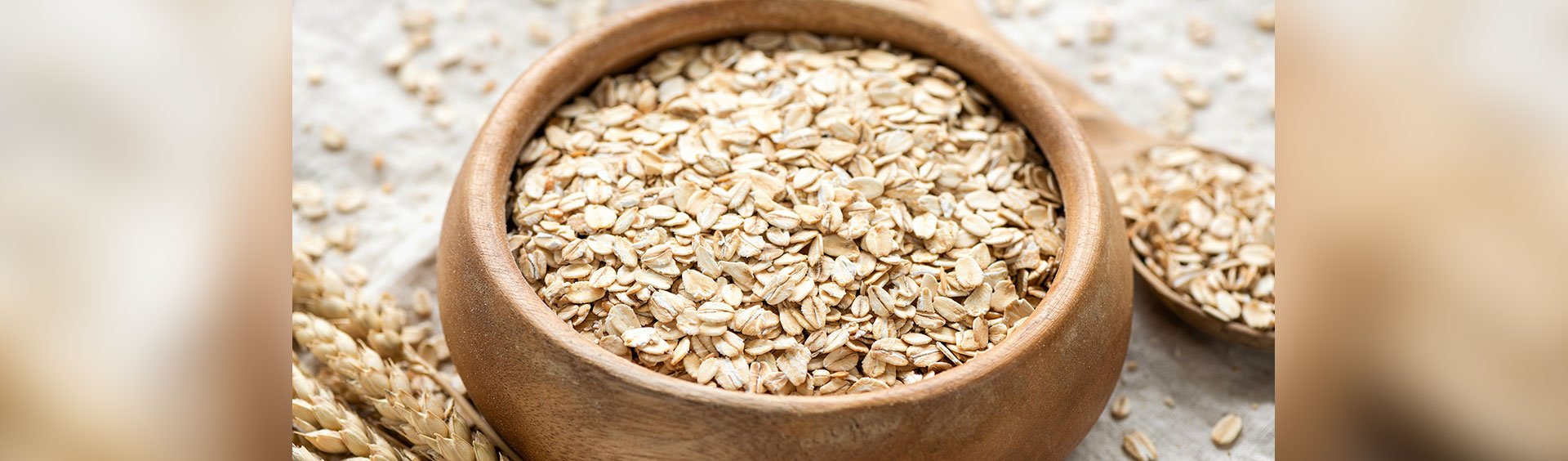
Studies have consistently shown that individuals who incorporate high-fiber foods into their diet experience significant improvements in cholesterol levels. For example, consuming one and a half cups of cooked oatmeal provides approximately 6 grams of fiber, making it a powerful ally in managing cholesterol.
Healthy Fats: The Unsung Heroes
Not all fats negatively influence cholesterol levels. Foods that are rich in unsaturated fats, like avocados, nuts, seeds, and olive oil, can assist in boosting HDL cholesterol, commonly known as “good” cholesterol. HDL cholesterol aids in eliminating LDL cholesterol from the blood, thus helping to avoid the buildup of plaque in the arteries.
A captivating research regarding Mediterranean eating habits emphasized the beneficial impacts of consuming diets high in olive oil on cholesterol. Individuals who included extra virgin olive oil in their daily meals noted remarkable enhancements in their HDL cholesterol levels, highlighting the advantages of adding healthy fats to one’s nutritional routine.
Seafood Rich in Omega-3 Fatty Acids
Fishes like salmon, mackerel, sardines, and trout are abundant sources of Omega-3 fatty acids, which do not directly decrease LDL cholesterol. However, they offer notable advantages by lowering triglycerides, another form of fat in the bloodstream, and helping to prevent abnormal heart rhythms.
The American Heart Association recommends consuming at least two servings of fish per week. This dietary pattern is associated with decreased risks of sudden cardiac death and heart disease. A clinical trial revealed that individuals consuming fish regularly experienced a 19% reduction in cholesterol levels compared to those who did not.
Sterol and Stanol Enriched Foods
Sterols and stanols are plant compounds that block cholesterol absorption in the intestines. Many fortified foods, like margarines, orange juice, and yogurt drinks, contain these compounds and can be effective for lowering cholesterol levels.
Studies show that a daily intake of 2 grams of plant sterols or stanols can lower LDL cholesterol by around 10%. These results suggest that foods enriched with sterols and stanols are an effective means for individuals looking to reduce cholesterol by modifying their diet.
Significance of Lifestyle Changes
Besides modifying one’s diet, lifestyle alterations are essential. Consistent physical activity, keeping a healthy weight, and steering clear of tobacco smoke support dietary measures for controlling cholesterol levels efficiently. Participating in a minimum of 150 minutes of moderate physical exercise each week can enhance the body’s capacity to control cholesterol naturally.
Reflecting on these insights, it’s clear that making informed food choices and incorporating certain lifestyle habits can profoundly impact cholesterol levels and overall heart health. Tailoring one’s diet to include fiber-rich, healthy fat-laden, and Omega-3 enriched foods, while also leveraging the power of sterols and stanols, serves as a robust strategy in the pursuit of healthy cholesterol levels.