Understanding Quiet Luxury: The Subtle Elegance
Quiet luxury presents a compelling idea that moves away from the excessive show of wealth and material assets typically linked to extravagance, favoring instead a quieter, more polished sensibility defined by subtle elegance, superior craftsmanship, and enduring style, prioritizing discerning judgment and a deep appreciation for life’s finer elements that do not need to loudly signal prosperity.
The Core of Discreet Sophistication
At its core, quiet luxury revolves around a philosophy where less is more. It is about owning fewer but higher-quality items. These items are crafted with precision, using premium materials that speak volumes through their simplicity and durability. The hallmark of this luxury lies in its subtlety; it is not about logos or conspicuous brand displays but rather about the superior craftsmanship and enduring appeal.
The idea of quiet luxury caters to individuals who prioritize inner satisfaction over the need for external validation. They seek value over volume, preferring the quiet confidence that comes from owning items that resonate with personal values and aesthetics rather than conforming to fleeting trends.
The Cultural Significance of Quiet Luxury
Historically, quiet luxury has been favored by cultural elites and individuals with inherited wealth who possess the discernment to recognize enduring beauty and superior craftsmanship, and figures like Audrey Hepburn and Steve Jobs exemplify this ideal through their minimalist yet refined style, expressing sophistication through understated design and meticulous detail.
Economically, quiet luxury often reflects a level of financial independence, and because it focuses more on discernment than display, it calls for a clear grasp of what truly defines luxury, making it especially attractive in periods when economic and environmental pressures guide consumers toward purchases that feel purposeful and sustainable.
Market Influence and Consumer Behavior
In recent years, the market for quiet luxury has gained momentum as consumers lean towards brands that align with personal ethics and sustainability. This shift is reflected in the rise of boutique brands and designers who focus on bespoke craftsmanship, such as Brunello Cucinelli and Loro Piana. These brands offer limited edition and exclusive items that attract discerning customers willing to invest in pieces that transcend short-lived trends.
Statistical trends show that consumers are increasingly drawn to items that offer long-lasting performance and reduced environmental impact, and a 2022 report from the Business of Fashion indicates that spending has consistently shifted toward premium, durable products rather than fast fashion, highlighting a growing preference for quiet luxury.
Quiet Luxury in Action: Distinctive Examples from the Real World
One illustrative case of quiet luxury can be found in the automotive industry with brands like Aston Martin and Bentley. These vehicles command prestige not through bold advertising but through exceptional engineering, timeless design, and a meticulous attention to detail. Owners of such vehicles often value the driving experience and the heritage associated with the brand over mere display.
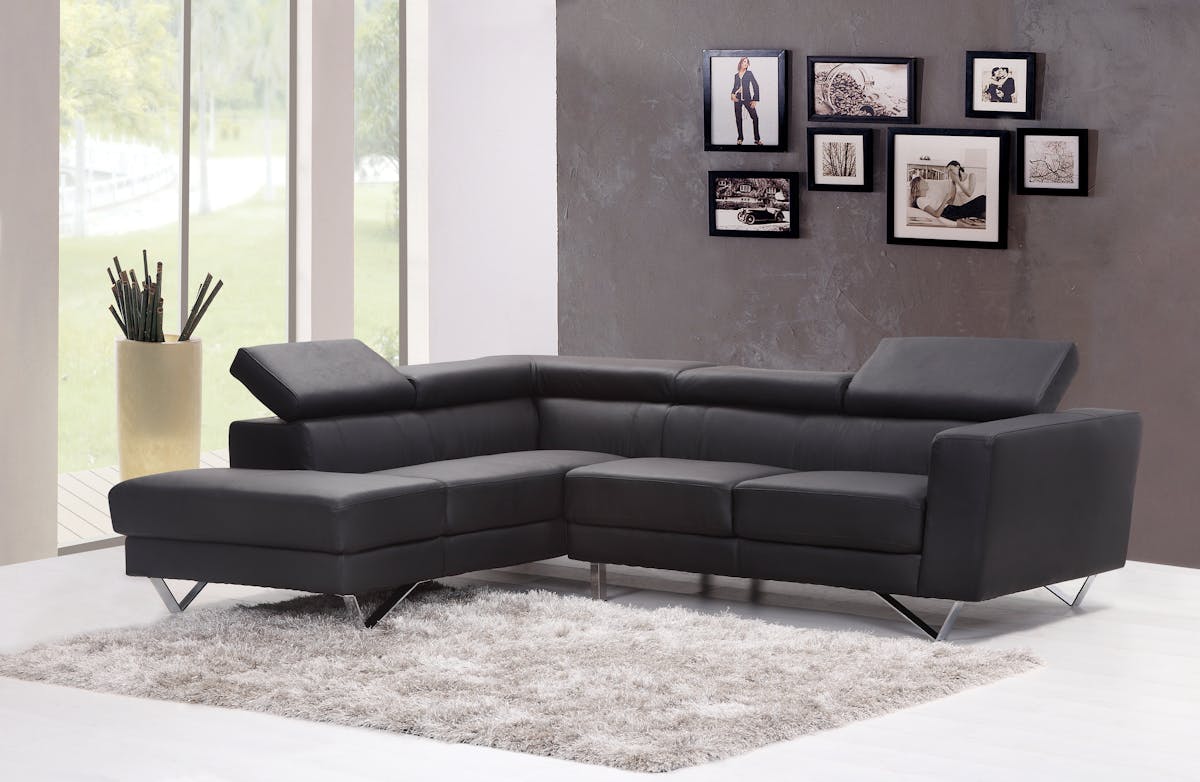
In the realm of interior design, quiet luxury is manifested through spaces that embrace minimalism, featuring carefully curated art pieces and custom furniture. The focus is on creating an environment that reflects quality, comfort, and sophistication rather than an overwhelming abundance of decor.
A Thoughtful Integration
In a world where noise is often mistaken for prominence, quiet luxury design presents a refined path that elevates the quiet power of subtlety and calm. It reflects a seasoned appreciation of wealth and style, highlighting how elegance can emerge through restraint and the intrigue of minimal expression. As consumers increasingly pursue authenticity and purpose in what they buy, the spirit of quiet luxury reinforces the enduring appeal of valuing quality above abundance. This discreet yet resonant perspective may continue shaping how luxury is perceived, fostering a vision where true opulence resides not in excess but in the deliberate art of understatement.