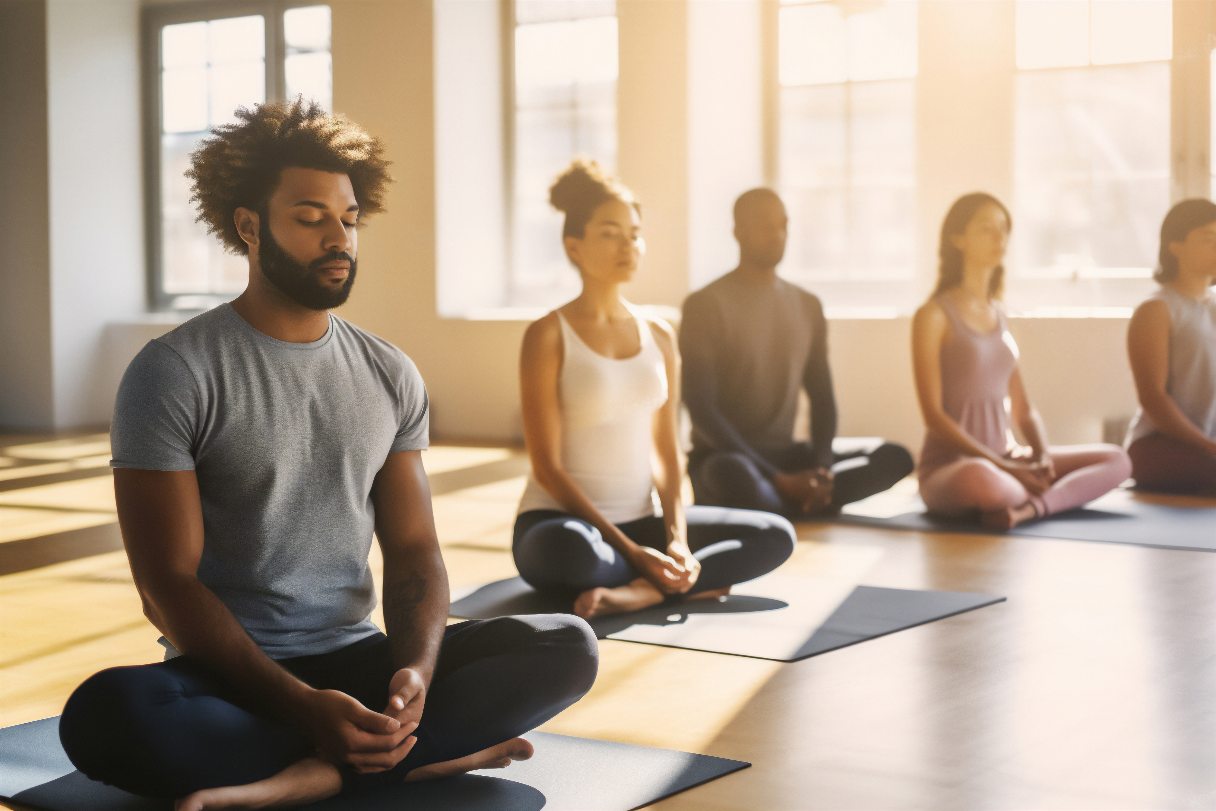
Self-care is more than an indulgence or a luxury; it is a foundational practice that sustains mental well-being in an increasingly complex world. As stressors continue to intensify in contemporary life—ranging from the demands of the digital age to economic uncertainty and evolving social dynamics—the necessity of self-care has become a subject of growing academic and clinical attention. Understanding the importance of self-care for mental health requires a multidimensional examination encompassing psychological, physiological, and societal perspectives.
The Psychological Impact of Self-Care
At its core, self-care comprises intentional actions and routines that individuals undertake to nurture their emotional and psychological states. The American Psychological Association recognizes self-care as a critical factor in preventing burnout, depression, and anxiety. When individuals engage in regular self-care practices, such as journaling, therapy, meditation, or even creative pursuits, they develop cognitive resilience against negative thought patterns and emotional exhaustion.
A significant investigation featured in the Journal of Health Psychology revealed that people who adopted organized self-care habits saw considerable decreases in their perceived stress and better control over their moods. For instance, college students engaging in supervised mindfulness exercises noted increased self-compassion and fewer occurrences of academic exhaustion. These results underscore how regular self-care promotes more effective coping strategies and emotional steadiness.
The Physical Repercussions of Ignoring Personal Well-being
Mental well-being is intrinsically connected to physical health. A consistent disregard for self-care practices is associated with various bodily symptoms, such as sleeplessness, tiredness, migraines, and a compromised immune system. The ongoing stimulation of the body’s stress reaction, referred to as the hypothalamic-pituitary-adrenal (HPA) axis, resulting from insufficient restorative self-care, leads to sustained high levels of cortisol. Continuously elevated cortisol is connected to anxiety conditions, issues with memory, and reduced mental capabilities.
In contrast, incorporating self-care practices like proper sleep, a balanced diet, and consistent physical exercise significantly impacts neurobiological processes. Studies from Harvard Medical School reveal that people who engage in mindful movement (such as yoga or tai chi) not only show reduced stress hormone levels but also display enhanced neurosynaptic plasticity, which is crucial for mental adaptability and emotional control.
Societal Influences and the Stigma Associated with Self-Care
Cultural perspectives continue to significantly influence how self-care is perceived. In numerous settings, particularly in demanding professions or communal societies, self-care might be misinterpreted as egoism or frailty. This negative perception prevents individuals from utilizing crucial mental health support and accepting rest as normal. For example, research from the healthcare industry during the COVID-19 pandemic showed that insufficient self-care among essential workers resulted in extensive instances of compassion fatigue and mental exhaustion.
Nevertheless, companies that actively encourage {{self-care}}—through implementing flexible working hours, offering mental health days, or incorporating wellness initiatives—observe not only better employee mental well-being but also increased output and staff retention. This highlights the crucial part that social frameworks and shared perspectives have in either intensifying or reducing mental anguish.
Personalized Approaches: One Size Does Not Fit All
Self-care is not a one-size-fits-all concept. What benefits one person might not be suitable for another, and successful self-care regimens should be customized to individual requirements, ways of life, and inherent tendencies. For instance, while outgoing people may find social engagement revitalizing, those who are introverted might gain more from quiet contemplation. Furthermore, a person’s socioeconomic standing and availability of resources significantly impact the practicality of self-care activities.
Emerging digital platforms have begun to bridge some accessibility gaps. Mobile health applications now offer guided meditation, mood tracking, and virtual therapy, granting broader populations the opportunity to engage in daily self-care. Early data from the National Institutes of Health indicate that participants using app-based self-care interventions reported a 31 percent reduction in self-reported anxiety symptoms over ten weeks.
The Importance of Self-Care for {{Prevention}} and {{Recovery}}
Self-care serves as a dual mechanism, both preventative and restorative, within the realm of mental health. Through the implementation of consistent practices that foster psychological equilibrium, people can diminish their susceptibility to mental health emergencies and hasten their recuperation from periods of anxiety, depression, or trauma. Both cognitive-behavioral therapy and dialectical behavior therapy highlight the importance of developing self-care competencies for preventing relapses and ensuring sustained well-being.
Highly publicized accounts of athletes, performers, and public figures address the importance of regular self-care in maintaining their mental health amidst high-pressure environments. Documentaries profiling Olympic athletes, for instance, often reveal that structured recovery periods and mindfulness routines are as critical as physical training regimens. These narratives serve as powerful reminders that sustainable success, well-being, and resilience are deeply intertwined with ongoing self-care.
The landscape of mental health care is rapidly evolving, echoing the recognition that self-care is neither optional nor superficial. Whether practiced in small, intentional increments or through more comprehensive strategies, self-care empowers individuals to better navigate internal challenges and external demands. As both research and lived experience reveal, investing in self-care creates a steady buffer against the volatility of modern life, equipping individuals with resilience, adaptability, and a deepened sense of self-awareness. This ongoing commitment forms the bedrock of mental vitality, supporting growth and balance in the face of uncertainty.