Gabrielle “Coco” Chanel: A Trailblazer in the Fashion World
Few names in fashion evoke as much reverence and intrigue as Gabrielle “Coco” Chanel. Born in 1883 in Saumur, France, Coco Chanel emerged from challenging beginnings—an orphan raised in poverty—to become one of the most influential designers in history. Her designs, philosophies, and persona redefined the landscape of women’s fashion, transforming not just wardrobes but also cultural ideas about femininity, elegance, and autonomy.
The Evolution of Chanel: From Humble Origins to Iconic Status
Chanel’s formative years left an indelible mark upon her creations. Before opening her inaugural millinery boutique, she spent time as a seamstress, championing a streamlined and functional aesthetic that stood in stark opposition to the heavily decorated, confining apparel typical of the early 1900s. Her very first shops in Deauville and Biarritz appealed directly to ladies desiring both freedom of movement and contemporary flair, utilizing fabrics such as jersey which had previously been restricted strictly to men’s undergarments.
Her aesthetic was characterized by understated elegance, focusing on clean lines and functional yet chic silhouettes. Chanel famously remarked, “Simplicity is the keynote of all true elegance.” This guiding principle propelled her brand to global prominence.
Revolutionizing Women’s Fashion: Key Contributions
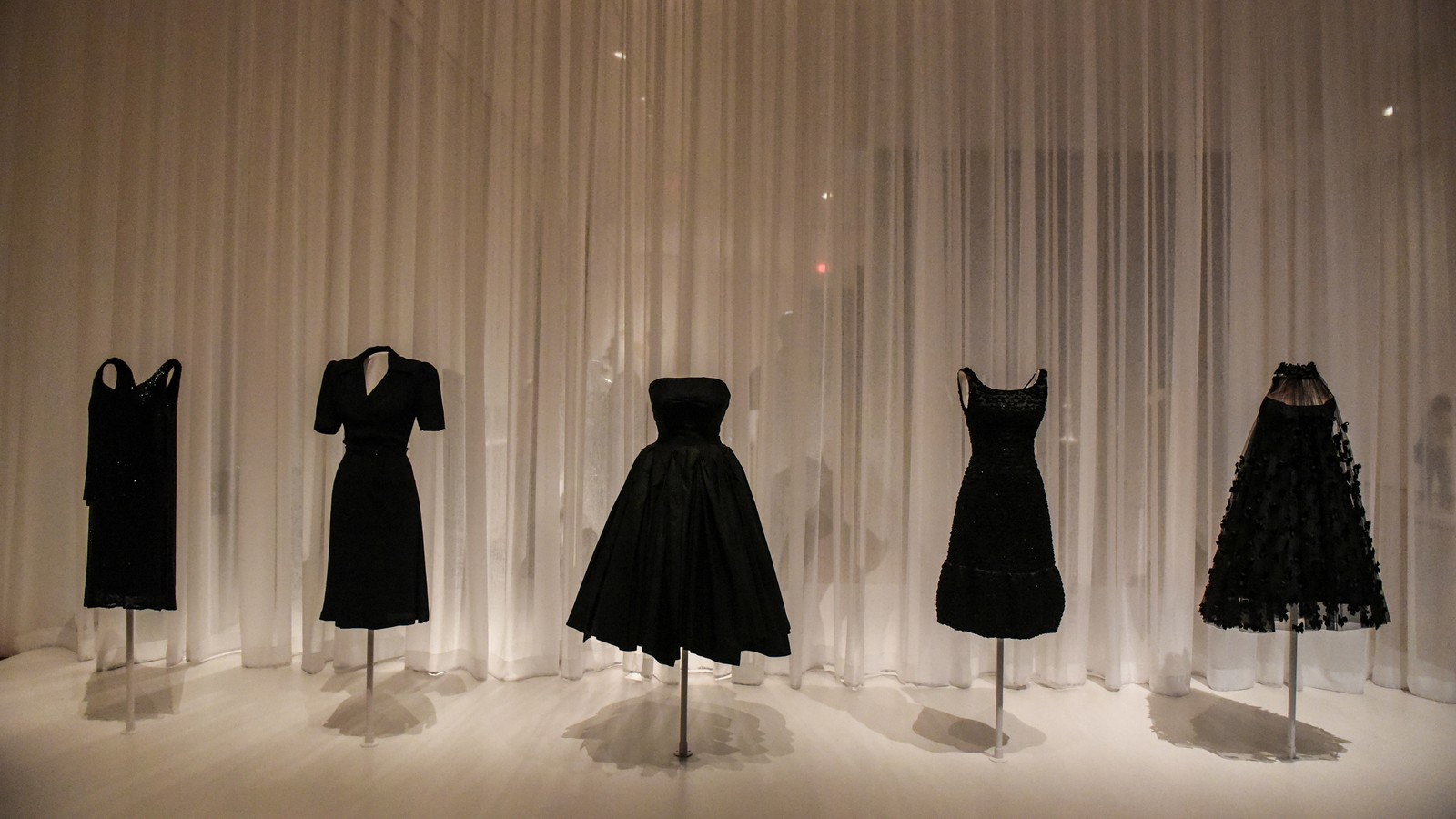
The Little Black Dress (LBD): One of Chanel’s most significant innovations, the LBD became synonymous with sophistication and versatility. Traditionally, black was a color reserved for mourning; Chanel transformed it into a symbol of timeless chic. Vogue called her 1926 black dress “Chanel’s Ford,” implying mass appeal and reliability.
Jersey Fabric: Back when women’s fashion was dominated by rigid and heavy textiles, the adoption of jersey by Chanel introduced unprecedented mobility. Her sophisticated yet effortless creations enabled women to engage in dynamic lifestyles, mirroring the sweeping societal shifts that followed World War I.
The Chanel Suit: First introduced in 1925, the Chanel suit featured a collarless jacket and fitted skirt. Eschewing corsets and ornamentation, the suit became a sartorial symbol of liberated femininity. Actresses and royals—from Marlene Dietrich to Princess Grace of Monaco—wore the suit, trusting its blend of authority and refinement.
Chanel No. 5: Introduced back in 1921, Chanel No. 5 made history as the very first perfume to carry a couturier’s name, highlighting her knack for transcending traditional industry limits. Almost a hundred years later, its minimalist bottle aesthetic and abstract floral-aldehyde fragrance continue to be legendary.
Redefining Femininity and Social Norms
Chanel’s legacy extends beyond sartorial change. Her approach to fashion intersected with broader cultural shifts—namely, the rise of women’s emancipation. By designing trousers for women, facilitating shorter hemlines, and prioritizing practical design, Chanel supported new forms of mobility for modern women.
She also cultivated autonomy in her professional endeavors and personal affairs, defying the conventional norms expected of women during her time. Her associations with notable personalities, including the Duke of Westminster, alongside her prominent status as a self-made woman, subverted patriarchal traditions and enhanced the standing of female creators and business leaders.
Chanel’s Enduring Brand: Longevity and Influence
While Chanel closed her couture house during World War II, she returned triumphantly in 1954, once again shifting the fashion paradigm. Posthumously, under creative directors such as Karl Lagerfeld, the House of Chanel has continued to innovate while honoring its founder’s core philosophies. Lagerfeld reinvented signature motifs—the camellia, quilted leather, and interlocking C’s—with contemporary flair for successive generations.
Currently, Chanel stands as the ultimate emblem of covetable investment staples, visionary aesthetics, and refined understated luxury. The iconic interlocking C emblem is universally acknowledged worldwide, functioning far beyond a mere corporate label to represent a benchmark of sophistication and artistic independence.
Challenging and Complex: The Woman Behind the Name
Chanel embodied a bundle of contradictions, striking a balance between boldness and discretion, innovation and timeless tradition. Public declarations, romantic involvements, and alleged political affiliations have faced intense scrutiny, enriching her legacy with layers of debate and fascination. Ongoing biographical investigations continually unearth fresh dimensions of her private and career endeavors, rendering her persona more intricate and sustaining perpetual dialogue regarding her influence.
A Lasting Legacy in Cultural History
Coco Chanel’s impact extends well past apparel creation: she transformed the lexicon of style, inspired women to prize comfort equally alongside elegance, and dissolved the boundaries connecting fashion with personal identity. Her heritage resides not merely inside the stitches of a jacket or the aura of a fragrance, but throughout the ethos of independence and creativity she advocated—an ethos deeply embedded within the DNA of modern clothing and culture.