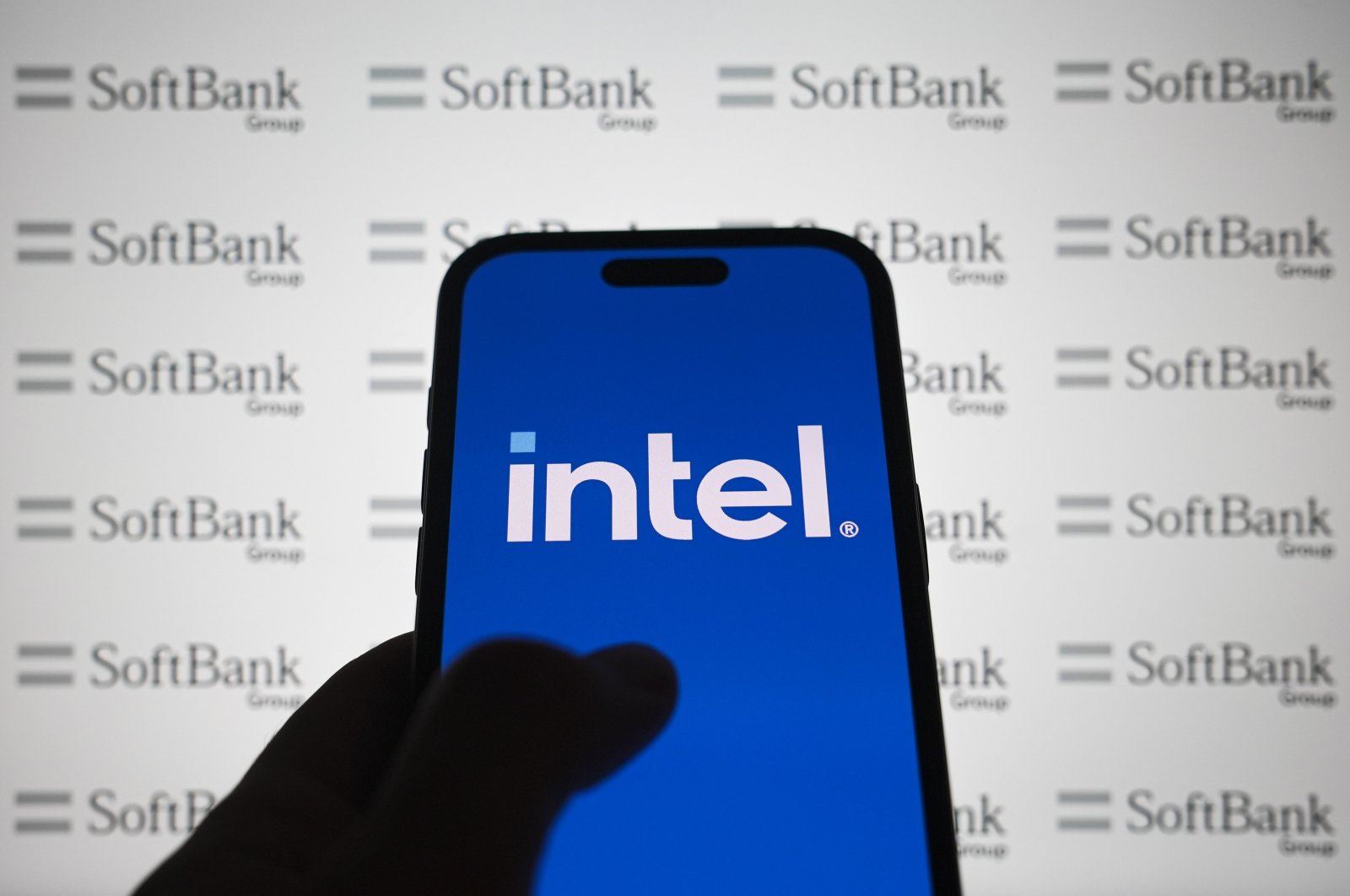
In a move that underscores the ongoing shifts in the global technology landscape, SoftBank has announced plans to inject $2 billion into Intel. This significant investment highlights both the growing importance of semiconductor innovation and the strategic partnerships forming within the tech industry to secure future growth. For Intel, the backing comes at a crucial time as the company seeks to expand its influence in advanced chip manufacturing and maintain competitiveness against rivals in a market that is increasingly essential to global economic stability.
Intel has long been a cornerstone of the semiconductor industry, but in recent years, it has faced mounting challenges. Competitors such as AMD, NVIDIA, and Taiwan Semiconductor Manufacturing Company (TSMC) have gained momentum, capitalizing on surging demand for chips used in everything from artificial intelligence to cloud computing and automotive technologies. By securing a major investment from SoftBank, Intel aims to strengthen its position in this competitive arena, accelerating research, development, and manufacturing capabilities at a time when chips are in unprecedented demand worldwide.
SoftBank’s choice to dedicate a significant amount of money aligns with its overall investment approach. The Japanese conglomerate, under the leadership of Masayoshi Son, is known for focusing on companies with high growth prospects in the tech industry, frequently making daring investments in firms anticipated to be crucial in driving future advancements. Its diverse investment portfolio encompasses businesses in fields such as artificial intelligence, robotics, telecommunications, and biotechnology. By incorporating Intel into its expanding roster of strategic collaborators, SoftBank indicates its trust in the semiconductor leader’s capability to be at the forefront of the upcoming wave of worldwide tech infrastructure.
The $2 billion infusion goes beyond a simple financial deal; it symbolizes a shared vision. Intel has outlined bold strategies to broaden its manufacturing capabilities, which involve substantial funding for new production facilities in the United States and Europe. These sites aim to address worldwide demand and lessen reliance on Asia’s leading chip manufacturers. The investment from SoftBank is expected to supply the essential resources to accelerate these initiatives, allowing Intel the capacity to increase output and enhance the robustness of its supply chain.
This partnership also has broader geopolitical implications. In recent years, semiconductors have emerged as a critical element of national security, with countries worldwide prioritizing domestic chip production to reduce vulnerability to supply disruptions. The United States, in particular, has emphasized the importance of rebuilding its semiconductor manufacturing capacity, and Intel’s expansion efforts align closely with this objective. With SoftBank’s investment, Intel is better positioned to compete on the global stage while also contributing to the U.S. strategy of regaining technological independence in this crucial sector.
For SoftBank, the investment represents an opportunity to secure a stake in one of the most vital industries of the modern economy. Chips are the foundation of virtually every digital innovation—from artificial intelligence and quantum computing to autonomous vehicles and smart infrastructure. By aligning with Intel, SoftBank is not only diversifying its investment portfolio but also ensuring its participation in a sector that will define technological leadership in the coming decades.
The financial markets are watching closely, as this move may serve as a signal for future investment trends. Institutional investors often view SoftBank’s decisions as indicative of long-term opportunities, given the company’s track record of betting early on transformative technologies. If Intel successfully leverages the new funding to regain momentum, it could mark a turning point for the company and inspire renewed investor confidence.
Simultaneously, there are still obstacles. Intel needs to manage fierce rivalry, technological challenges, and the significant expenses linked to expanding its production capabilities. Although the SoftBank investment offers crucial backing, Intel’s success hinges on its capacity to implement its bold plans and achieve innovations in fields such as cutting-edge process nodes, chips optimized for AI, and architectures that conserve energy.
SoftBank’s $2 billion pledge to Intel exemplifies the merging of financial strategy, technological aspirations, and geopolitical needs. This collaboration highlights the essential role semiconductors play in molding the global economy’s future. For Intel, the funding represents both a show of confidence and a directive to fast-track innovation. For SoftBank, it marks another daring move in cementing its leadership in technological evolution. This partnership underscores how investment and innovation collide in the quest for global dominance in one of the most essential sectors worldwide.