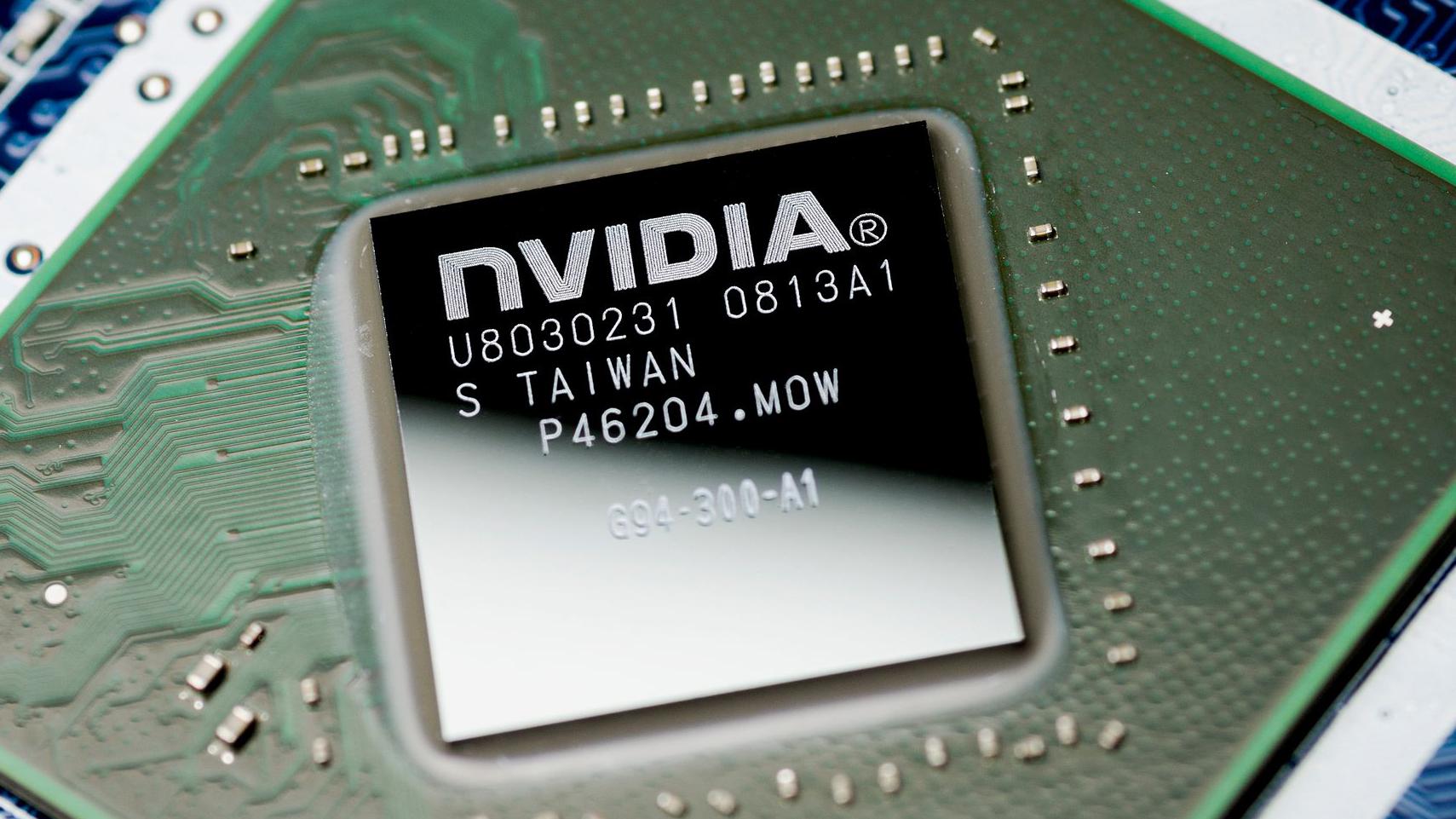
In a notable demonstration of expansion and technological impact, Nvidia has risen to be the first corporation worldwide to reach a market value of $4 trillion. This momentous milestone highlights the semiconductor leader’s crucial contribution to advancing the international tech industry, especially in fields like artificial intelligence (AI), graphics processing, and high-performance computing.
The company’s ascent to this extraordinary valuation has been fueled largely by its dominance in the graphics processing unit (GPU) market and its expanding influence in AI technologies. Nvidia’s GPUs are at the heart of data centers, AI research, autonomous vehicles, and even gaming consoles—applications that have seen explosive demand as industries worldwide embrace digital transformation.
The remarkable valuation emphasizes Nvidia’s crucial role in the current AI transformation. The surge of machine learning, deep learning, and AI generation tools has sparked a significant demand for the advanced computing capacity offered by Nvidia’s products. As companies across various sectors—from healthcare, finance, to entertainment—aim to leverage the potential of AI, Nvidia’s GPUs are now vital components.
Investors have responded enthusiastically to Nvidia’s consistent financial performance and forward-looking innovation strategy. The company’s stock has seen substantial appreciation, outperforming many other technology firms and contributing significantly to broader market indices. This investor confidence is also tied to Nvidia’s role in powering AI models, which are expected to become increasingly integrated into everyday life.
In addition to its AI leadership, Nvidia’s influence extends to gaming, autonomous driving, and virtual reality (VR). Its graphics cards remain the gold standard in the gaming community, and its Drive platform is helping shape the future of self-driving vehicles. The company’s ability to diversify its product offerings while maintaining technological superiority has been a key factor in its growth.
One significant contributor to the rise in Nvidia’s valuation has been the company’s concentration on data centers. As the complexity of cloud computing and AI tasks increases, the need for Nvidia’s high-performance chips has rapidly escalated. Leading cloud service providers and business customers depend extensively on Nvidia’s hardware to efficiently handle and process large volumes of data, further integrating the company into the core of today’s digital infrastructure.
Strategic partnerships have also played a role in Nvidia’s success. Collaborations with major tech firms, academic institutions, and research organizations have allowed the company to stay at the forefront of innovation. By continuously investing in research and development, Nvidia ensures that its products remain cutting-edge, capable of supporting next-generation technologies and applications.
Nvidia’s rapid ascent exemplifies a significant change in market trends where companies associated with semiconductors and AI are attracting more investor interest and resources. The usual supremacy of large software and internet firms is being supplemented, and in some instances surpassed, by businesses that produce the essential hardware driving the digital economy.
However, this swift rise also presents obstacles. The semiconductor sector is known for its cycles, and interruptions in supply chains, geopolitical pressures, and changes in consumer demand can threaten continuous expansion. Moreover, the fierce competition from other semiconductor companies like AMD, Intel, and emerging players in AI chip creation could affect Nvidia’s market portion in the long run.
Regulatory scrutiny is another factor that could shape Nvidia’s future trajectory. As governments around the world take a closer look at the concentration of technological power and the implications of AI on privacy, security, and employment, Nvidia and its peers may face new compliance requirements and ethical considerations.
Even with these obstacles, Nvidia’s leadership is confident about the company’s path forward. CEO Jensen Huang has repeatedly highlighted the revolutionary impact of AI and the company’s contribution to substantial innovations in areas such as scientific research, medical diagnoses, and creative sectors.
The milestone of reaching a $4 trillion valuation not only cements Nvidia’s place in history but also signals a new era for the global economy where AI and advanced computing drive innovation and value creation. As industries continue to digitize and rely on computational power, Nvidia’s influence is likely to grow even further.
The achievement also has broader implications for the technology sector. It underscores the increasing importance of hardware innovation in a landscape previously dominated by software-centric business models. Companies that can provide the computational backbone for AI, machine learning, and data-intensive applications are poised to be the defining enterprises of the coming decades.
In the eyes of investors and market observers, Nvidia’s ascent exemplifies how technological foresight, strategic implementation, and market timing can work together to achieve remarkable commercial success. It also prompts inquiries regarding the durability of its valuation and the concentration of market power, as Nvidia becomes part of an exclusive set of firms with market capitals reaching multiple trillions of dollars.
Looking forward, the organization’s capability to sustain its growth path will rely on ongoing innovation, strategic enlargement, and adept handling of upcoming challenges. Be it via the creation of future GPUs, AI enhancers, or new uses in sectors such as quantum computing and biotechnology, Nvidia’s ability to drive technological advancement stays a core emphasis.
Nvidia’s significant milestone of reaching a $4 trillion market value signifies more than just financial triumph—it indicates the company’s extensive incorporation into the technological landscape of today’s world. As AI and computing technologies advance, Nvidia’s input is set to influence the future of technology and the global economy in deep and enduring ways.