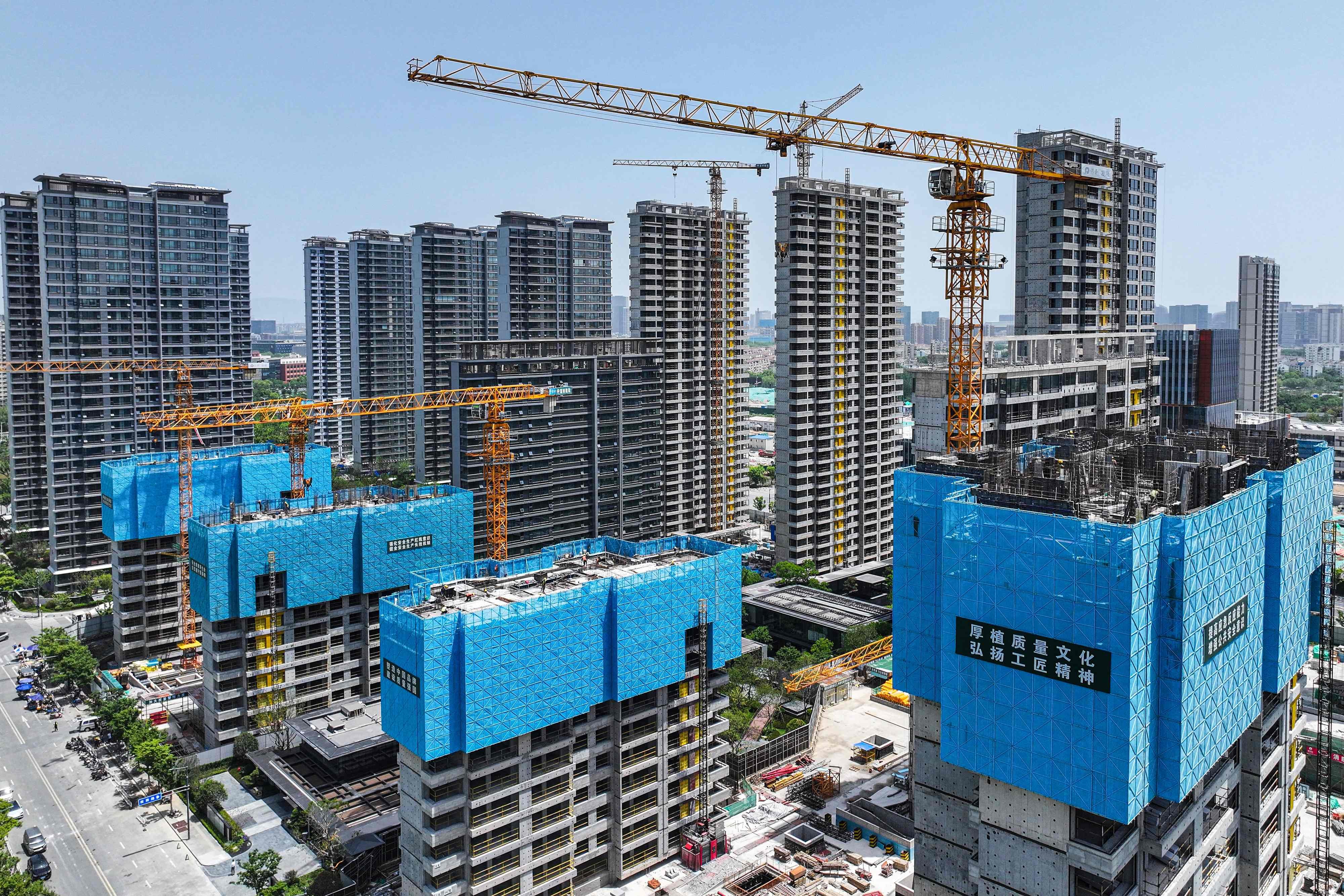
Evergrande, previously a leading real estate developer in China, has been officially removed from the stock market, signaling the newest phase in a striking decline that has captured the attention of international financial markets. Recognized for its swift growth and bold developments, the firm faced several years of increasing debt and poor financial management, resulting in a downfall with widespread effects on investors, property owners, and the larger Chinese economy.
Established in the 1990s, Evergrande swiftly emerged as an emblem of China’s real estate surge. With extensive residential areas, commercial endeavors, and even pursuits in electric vehicles and healthcare, the company symbolized rapid expansion and ambitious endeavors. Its high-rise constructions in key urban centers displayed its impact and the magnitude of its operations. During its prime, Evergrande was viewed as a blue-chip investment, drawing considerable interest from both local and global markets.
Nonetheless, below the shiny exterior of tall apartment buildings and vast developments, Evergrande’s financial foundation was weak. The company depended extensively on borrowing to drive its growth, accumulating liabilities that ultimately became unmanageable. Experts had been cautioning about the dangers linked to its bold borrowing strategy, yet the expansionary path had overshadowed these worries for a long time. As real estate prices declined and regulatory inspections intensified, the company found it challenging to fulfill its responsibilities, sparking a trust crisis among investors.
The delisting marks the culmination of years of financial turbulence. For shareholders, it represents a total loss on paper, as the company’s shares plummeted from their previous highs to a fraction of their former value. Creditors, both domestic and foreign, have faced long delays in recouping investments, while ongoing restructuring efforts attempt to address outstanding debts and unfinished projects. The ripple effects extend beyond the company itself, impacting suppliers, contractors, and the broader real estate market in China.
The Chinese authorities have been cautious amid the crisis. They stepped in to stabilize the real estate market, focusing on safeguarding home purchasers and ensuring the completion of important projects. Evergrande’s downfall led regulators to impose stricter guidelines on corporate debt, liquidity control, and transparency, as part of a broader effort to maintain financial stability and avoid future similar crises.
Evergrande’s narrative additionally serves as a warning regarding the difficulties of expanding quickly without sound financial strategies. Although the firm’s goals and aspirations were clear, the absence of strong risk control made it susceptible to changes in market conditions. Experts in the economy and industry analysts observe that Evergrande’s collapse has changed the perspective of investors in China’s real estate sector, leading to heightened examination of other developers with significant debt levels.
Although the downfall, the Evergrande saga is more than just a tale of failure. It underscores the changing dynamics of China’s economy, the dangers present in rapidly expanding sectors, and the expanding significance of regulatory control. For homeowners awaiting the completion of their units, the resolution of such problems continues, with officials striving to guarantee the completion of vital developments. For investors, Evergrande acts as a clear warning about the necessity of thorough financial scrutiny and the possible repercussions of corporate overextension.
The global implications of Evergrande’s downfall have been significant. International investors and financial institutions exposed to Chinese real estate markets have faced losses and increased uncertainty. The crisis prompted discussions on the interconnectedness of global finance, with analysts monitoring potential knock-on effects in other sectors and economies. While the Chinese government has contained immediate systemic risks, the long-term lessons of Evergrande’s rise and fall continue to resonate worldwide.
Evergrande’s delisting also marks a symbolic end to an era of rapid, debt-fueled growth that characterized much of China’s property sector in the past two decades. It underscores the challenges facing developers in balancing ambition with sustainable practices and highlights the evolving regulatory environment that increasingly demands transparency and financial prudence.
As the company navigates the aftermath of its collapse, efforts are underway to restructure debts, complete key projects, and protect the interests of homebuyers and stakeholders. Meanwhile, the broader property market is adjusting to a new reality, one in which financial discipline and careful risk management have become central to survival. Investors, both local and international, are reassessing strategies, and policymakers are refining rules to prevent a repeat of such high-profile failures.
The journey of Evergrande—a once-celebrated example of expansion now turned into a warning of business failure—highlights the fragile balance between ambition and long-term sustainability. Its removal from the stock exchange marks the end of a significant era in China’s real estate narrative, but the insights it provides will continue to impact the industry for many years, influencing investment strategies, regulatory policies, and market anticipations worldwide.