Social Responsibility

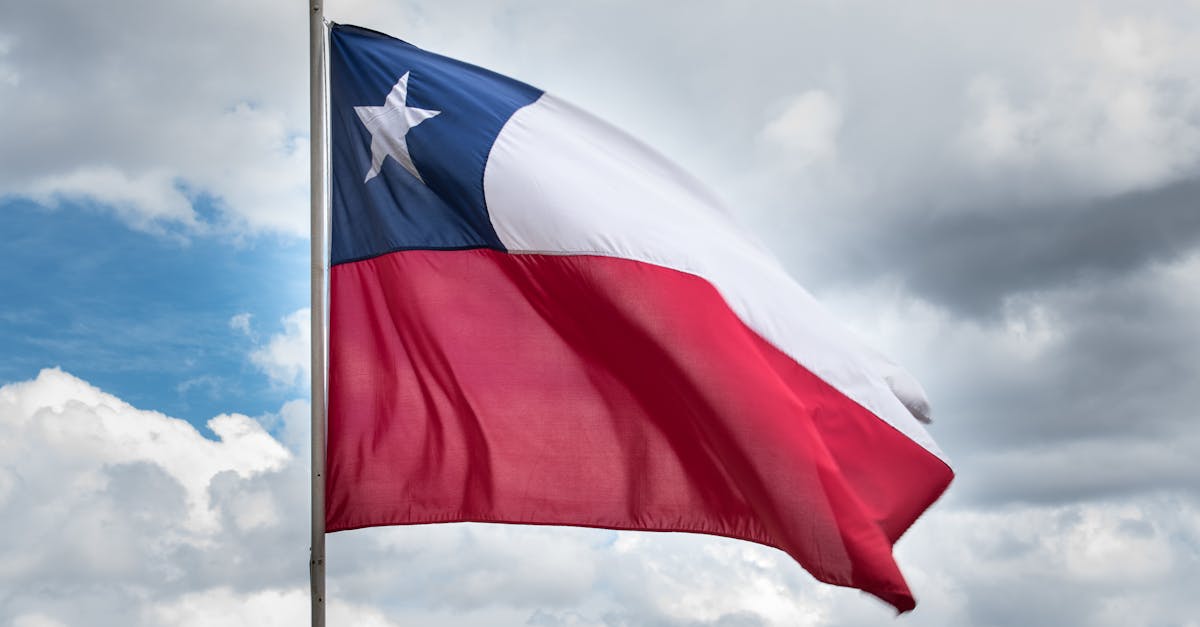
Chile: corporate CSR advancing transparency and community participation in local projects

Chile: Corporate CSR Driving Transparency & Community Involvement

Chile’s economic model has historically relied on extractive industries, agriculture, fishing, and export‑oriented manufacturing, sectors that have powered growth while concentrating environmental and social pressures in particular areas. Consequently, corporate social responsibility (CSR) in Chile is not a peripheral marketing tool but a strategic requirement that influences social license, investor confidence, and local development. In recent years, rising public expectations for transparency and genuine community involvement in territorial initiatives have pushed CSR to evolve from simple philanthropy toward governance, disclosure, and collaborative design.Regulatory and institutional drivers advancing transparencySeveral public factors push companies toward greater openness and community engagement:Access-to-information and anti-corruption…

Read More
Cuba: services CSR advancing training and community well-being projects

CSR in Cuba: Driving Training & Community Development

Corporate social responsibility (CSR) in Cuba focuses on bridging skills gaps, strengthening public services, and improving community well-being through partnerships among state institutions, businesses, non-governmental organizations, and community groups. Given Cuba’s strong baseline in health and education, CSR initiatives concentrate on modernizing services, expanding vocational opportunities, and building resilience in rural and marginalized communities. Effective CSR in Cuba blends technical training, social services delivery, and local economic development to produce measurable improvements in livelihoods and social indicators.Background and key enablersDemographic and social baseline: Cuba’s population of roughly 11 million, together with its high literacy rates, widespread basic education, and long-standing…
Read More
Nominations open for The MIDORI Prize for Biodiversity 2026 by AEON Environmental Foundation and the Secretariat of the Convention on Biological Diversity

The MIDORI Prize for Biodiversity 2026: Nominations Begin

As natural systems face unprecedented pressure, recognizing those who drive meaningful advances has become essential for safeguarding life across the planet.The MIDORI Prize for Biodiversity highlights these efforts and extends their impact throughout the world.The global community continues striving to stop and reverse biodiversity loss while simultaneously confronting interconnected challenges, including climate change, food security, and human well-being. In this landscape, international recognition initiatives play an essential part in highlighting effective strategies, circulating knowledge, and motivating action across sectors and borders. One notable example is the MIDORI Prize for Biodiversity, an international award devoted to acknowledging individuals whose efforts have…
Read More
Benin: agricultural CSR advancing cooperatives and regenerative soil practices

Benin: Advancing Cooperatives & Regenerative Soil through Agricultural CSR

A brief look at Benin: its farming practices, community livelihoods, and the growing strain on soilsBenin's economy and social fabric remain closely tied to agriculture. The sector contributes roughly one-quarter of national GDP and employs a majority of the rural population, making it central to poverty reduction, food security, and export earnings. Key crops include cotton (a major cash crop), maize, cassava, yam, cashew, groundnuts, palm oil, millet, and sorghum. Smallholder farms dominate production, typically operating on less than two hectares each.This agricultural landscape faces mounting challenges: soil nutrient depletion, erosion, shortening fallow periods, deforestation for new fields, and increasing…
Read More
The Bahamas: tourism CSR protecting beaches and promoting marine conservation through citizen science

Protecting Bahamian Beaches: Tourism CSR’s Role in Marine Conservation

The Bahamas navigating the balance between tourism and marine conservationThe Bahamas is a nation whose economy and identity are deeply entwined with coastal landscapes, coral reefs, mangroves, seagrass beds and clear blue water. Tourism—luxury resorts, dive operators, charter boats and small islands welcoming independent travelers—generates a major share of national income and employment. That economic dependence creates both vulnerability and opportunity: coastal development, pollution, overfishing and climate-driven coral bleaching threaten the natural assets that attract visitors, while tourism revenue and private-sector reach can be mobilized for conservation through corporate social responsibility (CSR) and citizen science.Major challenges endangering coastal shores and…
Read More
Empowering Youth in BiH: CSR for Jobs & Cohesion

Empowering Youth in BiH: CSR for Jobs & Cohesion

Bosnia and Herzegovina continues to contend with long-standing difficulties in connecting its young population to stable employment while working to restore social cohesion after decades marked by political and economic transition. Youth joblessness has traditionally been several times higher than overall unemployment; according to international sources like the International Labour Organization and the World Bank, youth unemployment and NEET (not in employment, education or training) rates remained among the highest in the Western Balkans throughout the 2010s and early 2020s. Ongoing regional migration and the departure of skilled young workers further intensify both economic and social vulnerabilities. Within this landscape,…
Read More