Blog

Grenada: tourism CSR cases supporting local jobs and coastal protection

How Grenada’s tourism CSR mitigates storm risks and supports local employment

Grenada, the "Spice Isle" in the southeastern Caribbean with roughly 112,000 residents, depends heavily on coastal resources for economic wellbeing and community livelihoods. Tourism is a prime foreign-exchange earner and a major source of employment; at the same time the island’s beaches, coral reefs, mangroves, and seagrass beds provide both the natural attractions that bring visitors and the coastal protection that shields communities from storms and erosion. Corporate social responsibility (CSR) programs in the tourism sector have increasingly focused on linking job creation to ecosystem stewardship — a convergence that strengthens both people and place.Coastal pressures and the rationale for…
Read More
How NPUs and AI chips enable smarter and faster smartphones and PCs

How NPUs and AI chips enable smarter and faster smartphones and PCs

Neural Processing Units, commonly called NPUs, are specialized processors designed to accelerate artificial intelligence and machine learning workloads. Unlike CPUs, which handle general-purpose tasks, or GPUs, which excel at parallel graphics and compute operations, NPUs focus on matrix math, inference, and on-device learning with extreme efficiency. Alongside NPUs, the broader category of AI chips includes dedicated accelerators integrated into system-on-a-chip designs or offered as discrete components in PCs and servers.Over the past five years, AI workloads have shifted from cloud-centric processing toward on-device intelligence. This shift is driven by latency requirements, privacy concerns, and the need for energy efficiency. As…
Read More
What trends are driving bio-manufacturing and fermentation-based production?

Emerging trends in fermentation-based production for sustainable materials and fuels

Bio-manufacturing uses living cells, enzymes, or biological systems to produce materials, chemicals, foods, and medicines. Fermentation-based production is a core pillar of this field, relying on microorganisms such as bacteria, yeast, and fungi to convert feedstocks into valuable outputs. Once limited mainly to pharmaceuticals and food ingredients, these approaches are now expanding into fuels, materials, agriculture, and consumer goods. Several powerful trends are accelerating this shift.Escalating Climate Demands and the Move Toward Low-Carbon ProductionOne of the strongest drivers is the global need to reduce greenhouse gas emissions and resource intensity. Traditional petrochemical manufacturing is energy-intensive and dependent on fossil inputs.…
Read More
Angola: CSR cases improving safe water access and preventive health in rural areas

Private investment in maternal and child health services across Angola’s provinces

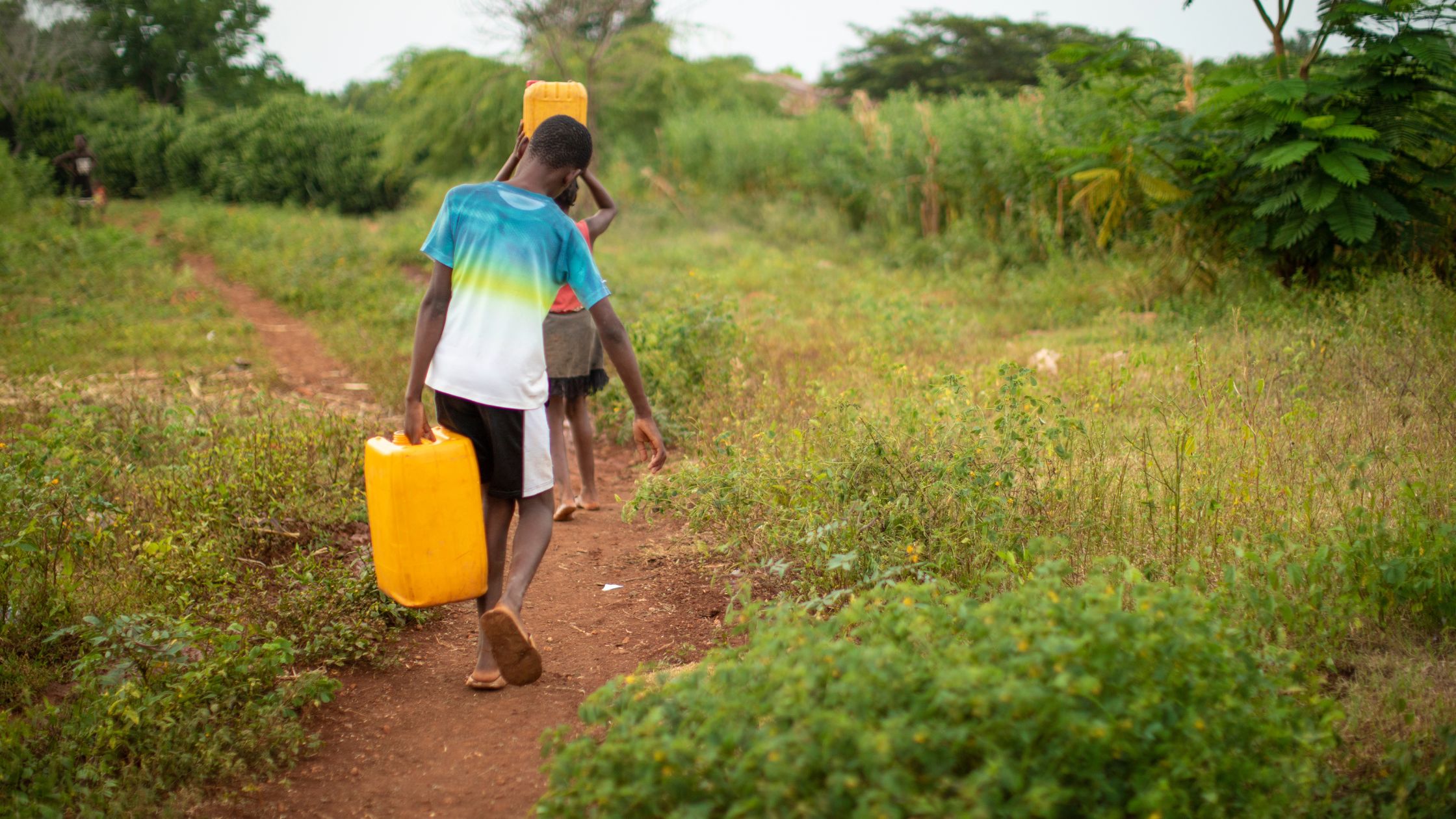
Angola’s progress since the conflict has strengthened its macroeconomic outlook, yet rural populations continue to struggle with limited access to safe water and essential preventive health services. Private-sector entities — including oil and gas operators, mining firms, and international companies active in Angola — have launched Corporate Social Responsibility (CSR) initiatives aimed at improving water, sanitation, hygiene (WASH), and preventive healthcare. These efforts often reinforce government and donor programs and can deliver lasting improvements when they are community-driven, technically robust, and aligned with public systems.Background and RequirementsDemographics and access gaps: Angola’s population stands in the mid-thirty‑million range, with many residents…
Read More
Angola: cómo transformar renta extractiva en capital humano e infraestructura

Corporate responsibility reducing child morbidity through water safety in Angola

Angola’s progress since the conflict has strengthened its macroeconomic outlook, yet rural populations continue to struggle with limited access to safe water and essential preventive health services. Private-sector entities — including oil and gas operators, mining firms, and international companies active in Angola — have launched Corporate Social Responsibility (CSR) initiatives aimed at improving water, sanitation, hygiene (WASH), and preventive healthcare. These efforts often reinforce government and donor programs and can deliver lasting improvements when they are community-driven, technically robust, and aligned with public systems.Background and RequirementsDemographics and access gaps: Angola’s population stands in the mid-thirty‑million range, with many residents…
Read More
elegant floral bouquet on velvety red chair

The distinctive elements that define Tom Ford’s fashion legacy

Tom Ford’s imprint on the fashion industry is nothing short of transformative. His work, particularly during his tenure at Gucci and subsequent ventures, is often cited as a benchmark for modern luxury, design innovation, and brand revitalization. Dissecting what sets Ford apart requires a multi-faceted exploration—spanning creative direction, brand identity, commercial impact, and cultural resonance.The Pre-Ford Gucci: A Brand in CrisisBefore Tom Ford’s arrival in 1990, Gucci was mired in internal conflict, fading creative direction, and worsening finances. The brand, once a hallmark of elite Italian sophistication, had splintered and struggled to connect with modern buyers. The threat of fading…
Read More