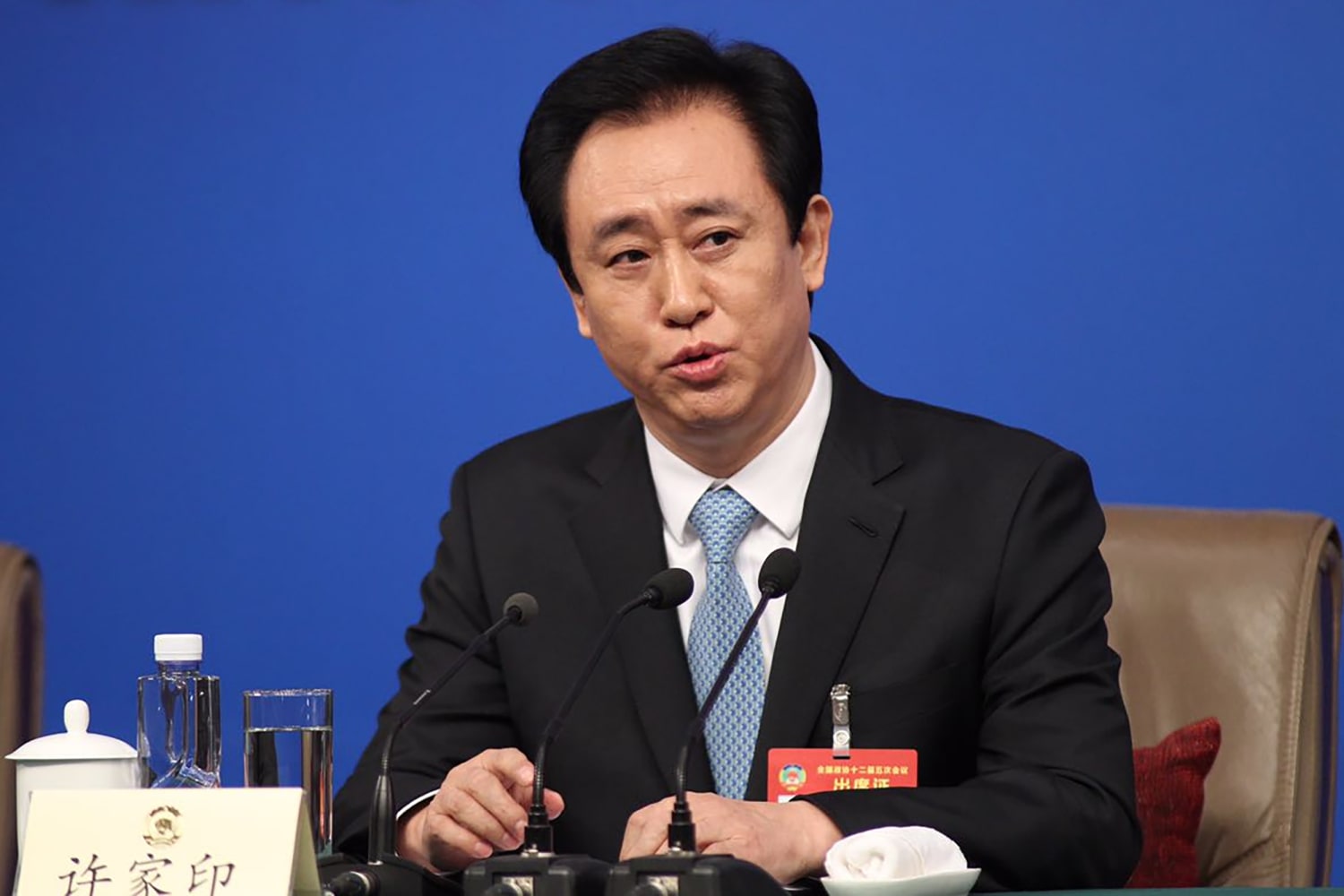
The extensive and dramatic journey of China Evergrande has arrived at its foreseeable end, as the company is set for removal from the Hong Kong stock exchange. This official exit from a prominent public market marks the last chapter in the collapse of what used to be the second-largest property developer in the country. The decision is not simply a bureaucratic process but a significant symbolic occurrence, marking the close of an era characterized by bold growth and unsupportable debt. This ending to the Evergrande narrative highlights the deep-seated risks within China’s real estate sector and the government’s evolving economic focus.
The roots of Evergrande’s crisis can be traced back to a business model built on rapid, debt-fueled expansion. The company operated by borrowing heavily to acquire land, then pre-selling apartments before construction was even complete. The revenue from these pre-sales, often in the form of deposits, was then used to fund new projects and service existing debts. This cyclical approach, while incredibly lucrative during China’s real estate boom, was fundamentally dependent on an uninterrupted flow of credit and ever-rising property prices. It was a strategy that was both brilliant in its ambition and catastrophically fragile in its execution.
For years, this model worked, making Evergrande a household name in China and its founder, Hui Ka Yan, one of the country’s wealthiest men. The company’s reach was immense, with hundreds of projects across more than 280 cities. Its brand became synonymous with the country’s economic ascent and the aspirations of its growing middle class. However, this success masked a dangerous level of over-leverage, with the company’s liabilities swelling to a staggering amount, a figure so large it was difficult for many to comprehend. The foundation of its empire, built on debt, was destined to crumble when the flow of capital was curtailed.
The catalyst for the company’s unravelling was a deliberate policy shift by the Chinese government. In 2020, Beijing introduced its “Three Red Lines” policy, a set of stringent metrics designed to deleverage the property sector and curb excessive borrowing. Evergrande failed to meet all three criteria, effectively cutting off its access to new financing from state-owned banks. This policy was a clear signal that the government was no longer willing to tolerate the speculative, high-risk practices that had fueled the real estate boom. It was a crucial moment that exposed the inherent fragility of Evergrande’s financial structure, leaving it unable to service its colossal debts.
The removal from the listing represents a decisive conclusion from the financial markets. For an extended period, the company’s stocks had been halted from trading, indicating that its worth had vanished. The official removal signifies that the company is no longer publicly accountable and offers a somewhat somber sense of finality for investors. This signifies that the company, as a public corporation, is no longer active. This action underscores the rigorous regulatory supervision of the Hong Kong Stock Exchange, which ensures that companies remain responsible for their financial stability and transparency. The delisting exemplifies the exchange’s dedication to upholding the integrity of the market.
The removal from the exchange represents a severe and conclusive setback for both minor and major investors. Global bondholders, who had extended loans worth billions to the firm, now confront the almost certain reality that their assets are valueless. The anticipated course of action for the company is liquidation, a process expected to be lengthy and intricate, with lenders contending for the remnants of a once-powerful corporation. For individual, minor investors who acquired shares in Evergrande, the delisting renders their investments merely a historical footnote, serving as a stark reminder of a gamble that disastrously failed.
The human cost of this collapse is perhaps the most tragic and enduring aspect of the crisis. Millions of Chinese homebuyers had pre-paid for apartments that are now, in many cases, unfinished and abandoned. Their life savings, often the culmination of years of hard work, are trapped in these stalled projects. This has led to a wave of social unrest, with protests and boycotts by angry homebuyers demanding that the government intervene and ensure their homes are completed. The plight of these individuals represents a major political and social challenge for the Chinese authorities, who are now under immense pressure to restore public confidence in the real estate market.
The ripple effects of the Evergrande crisis have spread far beyond its own balance sheet. The property sector’s decline has had a chilling effect on the broader Chinese economy, which has long relied on real estate as a primary engine of growth. The crisis has hit banks hard, as they are now saddled with billions in non-performing loans. The economic slowdown has also impacted a wide range of ancillary industries, from construction and raw materials to home furnishings and appliances. This interconnectedness has created a systemic problem, demonstrating that the fall of one company can send shockwaves throughout an entire economy.
The Chinese government’s response has been a delicate balancing act. They have been unwilling to provide a full-scale bailout, signaling a move away from a “too big to fail” mentality. Instead, their strategy has been a controlled demolition, focusing on managing the fallout and preventing a full-blown financial panic. They have provided targeted support to ensure that some projects are completed and have encouraged state-owned developers to acquire the assets of failing private companies. This approach aims to restore stability to the housing market while avoiding a moral hazard that would reward reckless borrowing.
The delisting of Evergrande is more than just a corporate failure; it is a profound historical moment. It marks the end of an era of unfettered, debt-fueled growth in China’s real estate sector. The crisis has forced a fundamental rethink of the country’s economic model, with the government now prioritizing stability and quality of life over raw, quantitative growth. The future of the Chinese property market will likely be defined by a new, more cautious approach, with a greater role for state-owned enterprises and a renewed focus on building a sustainable, long-term housing market that serves the needs of its people, not just the ambitions of its developers.