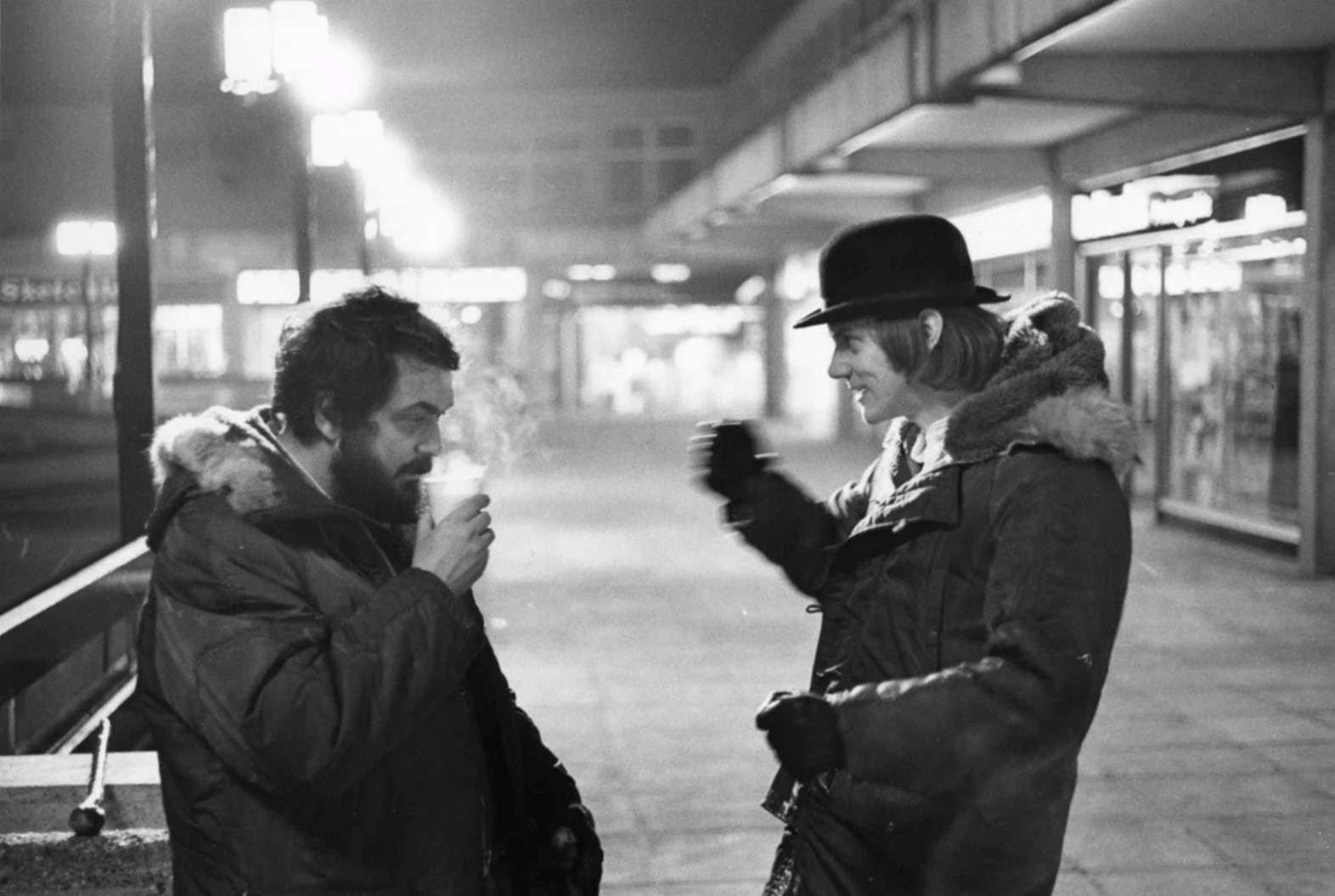
Stanley Kubrick’s A Clockwork Orange (1971) stands as a transformative entry in the canon of dystopian cinema, distinguished not only by its audacious stylistic choices but also its profound thematic interrogations. Adapted from Anthony Burgess’s 1962 novel, the film’s impact stretches across visual aesthetics, narrative structure, social commentary, and the evolution of genre conventions. Examining its contributions involves considering both its immediate cinematic innovations and its enduring influence on subsequent dystopian narratives.
Styling and Film Language
One of the most important influences A Clockwork Orange had on dystopian movies is its groundbreaking visual aesthetic. Kubrick’s careful focus on composition, the contrast of bright whites with vivid colors, and inventive set design established an environment that felt both foreign and disturbingly known. The cityscape, merging futuristic aspects with crumbling structures, depicted a world that was neither entirely imaginary nor straightforwardly identifiable—a concept later mirrored by renowned films like Blade Runner and Brazil.
The movie’s unforgettable incorporation of classical music, contrasted with violent actions, highlighted the cognitive dissonance central to the dystopian vision. This combination of sound and visuals, exemplified in sequences such as Alex DeLarge’s performance of “Singin’ in the Rain,” set a precedent for employing irony and contrast as storytelling techniques in dystopian films. Later directors would adopt this method to emphasize the distortion inherent in government-endorsed or systemic aggression.
Undermining Conventional Story Empathy
Kubrick’s adaptation refuses simple characterization: the protagonist, Alex, is both a perpetrator and a victim. This ambiguous morality compelled audiences to interrogate their own complicity and discomfort, a trope that elevated dystopian cinema beyond black-and-white political parables. By engineering a complex audience-paradox, where viewers are persuaded to empathize with an antihero subjected to dehumanizing state interventions, the film set a precedent for psychological complexity in dystopian protagonists, influencing works like Children of Men and the Black Mirror series.
Analysis and Humor in Socio-Political Contexts
A Clockwork Orange dissected the interplay between free will, governmental power, and the ethics of social engineering. The Ludovico Technique—intended to “cure” Alex’s violent inclinations—embodies the dangers of state overreach and questions the cost of social conformity. Kubrick’s unflinching portrayal of psychological manipulation, stripped of utopian pretense, reframed dystopian cinema’s critique from collective catastrophe to intimate, individualized suffering. This shift catalyzed a new wave of films focusing on personal autonomy and resistance, such as Gattaca and V for Vendetta.
Furthermore, Kubrick’s layer of satirical absurdity highlighted the genre’s capacity for black comedy and farce. The movie’s distinctive slang, taken from the novel’s Nadsat language, not only confuses the audience but also highlights the adaptability of youth culture—an element that movies such as Repo Man and Trainspotting would explore in dystopian or subversive contexts.
Cultural Reverberations and Legacy
Reactions from critics and the public to A Clockwork Orange sparked discussions about censorship, the responsibilities of artists, and how violence is shown, impacting the public’s view on what dystopian films might portray ethically and creatively. Its removal from cinemas in the UK, followed by its eventual return and inclusion as a topic of academic study, highlights how it reshaped the limits of film expression. The debate it stirred up led to discussions in both film and academic circles regarding the role and impact of violence in the media, a fundamental issue in the study of dystopian cinema.
In a visual sense, the turban hats, codpieces, and white outfits worn by the film’s droogs became part of popular culture, impacting designers, musicians, and filmmakers equally. The film’s bold imagery was used in music videos, fashion photoshoots, and ad campaigns to convey a feeling of rebellious irreverence or a sense of futuristic decline, further intertwining dystopian storytelling with modern aesthetics.
Influence on Later Dystopian Films
A Clockwork Orange‘s striking visuals and storytelling innovation paved the way for filmmakers exploring themes of control, autonomy, and systemic violence. Its influence can be seen in movies such as THX 1138, RoboCop, The Purge, and Clockers (a Spike Lee movie subtly nodding to Kubrick’s methods). Academics often reference Kubrick’s film as a seminal piece in analyses of the surveillance society, psychological manipulation, and juvenile misbehavior.
The movie’s lasting impact can be seen in media that combine strong artistic style with intense social critique—traits now nearly inseparable from the dystopian genre. Viewers anticipate creative daring and complex moral narratives, standards set by Kubrick’s milestone adaptation.
A benchmark for dystopian films
The contributions of A Clockwork Orange to dystopian cinema are both multi-faceted and profound. The film expanded the visual and thematic language of the genre, deepened its philosophical provocations, and invited audiences into uncomfortable ethical terrain. It redefined expectations of dystopian storytelling, setting a template for confrontational, stylistically adventurous narratives that continue to challenge and resonate with viewers and creators alike. Through its daring fusion of artistry and social criticism, A Clockwork Orange endures as both a touchstone and a provocation for all who seek to understand—and expand—the frontiers of dystopian cinema.