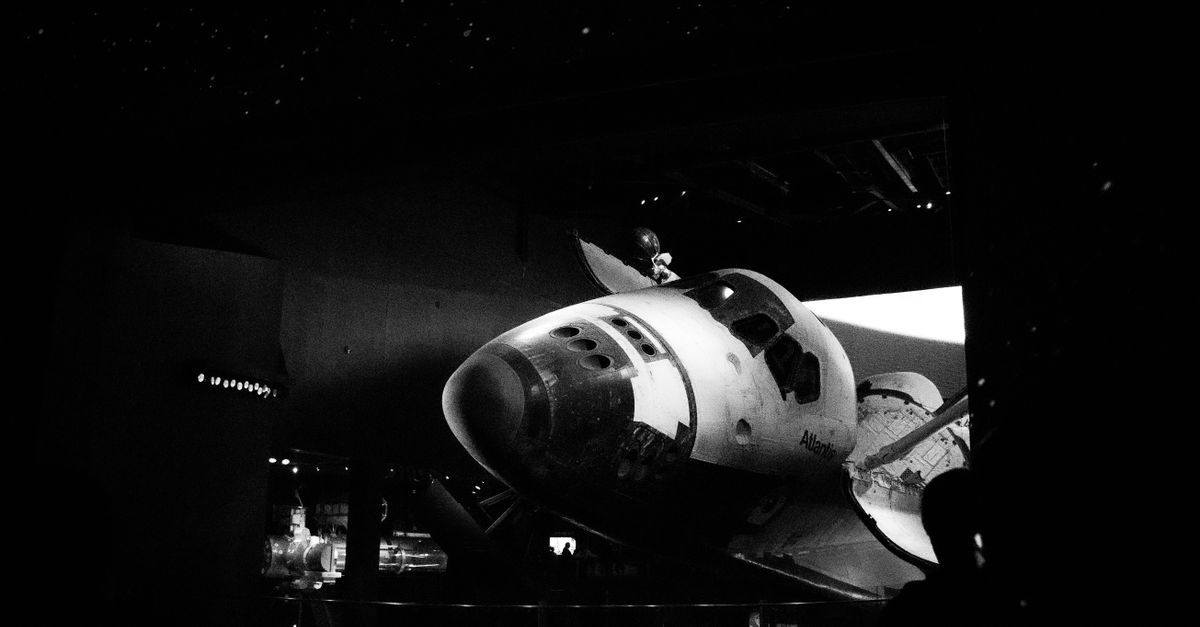
Space technology is experiencing swift evolution as commercialization, digital innovation, and sustainability targets reshape the sector, with governments no longer acting as the exclusive forces behind space initiatives. Private enterprises, emerging startups, and global collaborations now hold pivotal influence. At the heart of this transformation lie reusable launch systems, steadily altering the frequency, cost efficiency, and dependability with which payloads are delivered to orbit.
Reusability as a Catalyst for Lower Costs and Broader Access
Reusable launch systems are transforming the financial landscape of spaceflight, as rockets once discarded after a single mission and driving up costs are now being recovered and refurbished, with particular attention given to first-stage boosters.
Key impacts of reusability include:
- Launch cost reductions of up to 60–70 percent compared to fully expendable systems.
- Higher launch cadence, enabling weekly or even daily missions.
- Lower barriers to entry for startups, universities, and emerging space nations.
A leading case is the Falcon 9, with boosters that have each completed over 15 flights, proving that reusable hardware can remain dependable and economically advantageous. This approach is now being embraced worldwide, as comparable systems are being crafted across Europe and Asia.
Swift Iteration and Agile-Focused Engineering
A further key trend involves moving away from conventional aerospace development toward swift prototyping and continuous experimentation, as companies increasingly construct, evaluate, learn from failures, and refine their systems within mere months rather than spending decades on design.
This approach delivers several advantages:
- Accelerated innovation rhythms paired with more rapid technology verification.
- Reduced development exposure achieved through step-by-step enhancements.
- Ongoing performance refinement guided by actual flight data.
Iterative testing has made it possible to create fully reusable launch vehicles that incorporate landing legs, grid fins, and autonomous guidance systems functioning with steadily increasing accuracy.
Advanced Materials and Manufacturing Techniques
Material science is becoming essential in advancing space technology, as lightweight alloys, carbon composites, and heat-resistant materials allow rockets to endure multiple launches and atmospheric reentries.
The emergence of advanced manufacturing is just as significant:
- Additive manufacturing, or industrial 3D printing, reduces part counts and production time.
- Automated welding and robotic assembly improve consistency and safety.
- Digital twins allow engineers to simulate wear and performance before physical testing.
Together, these technologies boost overall reliability while cutting long-term maintenance expenses for reusable systems.
Artificial Intelligence and Autonomous Operations
Artificial intelligence is increasingly embedded in both spacecraft and launch infrastructure. Autonomous systems manage navigation, landing, anomaly detection, and predictive maintenance.
Some examples of AI‑powered features are:
- Real-time trajectory optimization during ascent and descent.
- Automated inspection of returned boosters using computer vision.
- Predictive analytics that forecast component fatigue and service intervals.
With launch frequency rising, autonomy becomes a vital way to handle complexity without requiring a corresponding expansion of human supervision.
Rising Demand for Small Satellites and Constellations
The growing deployment of small satellites and expansive orbital constellations is increasingly shaping how reusable launch systems are conceived, as Earth observation, global broadband, and Internet of Things services depend on steady, dependable launch schedules instead of occasional heavy‑lift flights.
Such demand benefits:
- Medium-lift reusable rockets optimized for repeated missions.
- Dedicated rideshare and responsive launch services.
- Rapid turnaround between flights to maintain constellation deployment schedules.
Reusable systems suit these requirements by delivering consistent costs and adaptable launch schedules.
Sustainability and Ecological Strain
Environmental factors are increasingly influencing strategies in space technology, as reusability curtails production waste, reduces material use, and limits debris generated by discarded stages.
Additional sustainability trends include:
- Propellants engineered to burn cleaner, generating far less soot and fewer overall emissions.
- Configurations developed to limit orbital debris and facilitate managed reentry procedures.
- Lifecycle evaluations that track environmental effects from initial production through final disposal.
As oversight intensifies, launch systems designed with environmental responsibility in mind are expected to secure stronger competitive positioning.
Geopolitical Rivalries and Strategic Independence
Space remains a strategic domain, and reusable launch systems are now viewed as assets of national resilience. Countries seek independent access to space for communications, navigation, defense, and scientific research.
This has resulted in:
- Public investment in domestic reusable launch programs.
- Partnerships between space agencies and private companies.
- Competition to achieve faster, cheaper, and more reliable access to orbit.
A worldwide surge in innovation is unfolding, and several reusable systems are anticipated to come into operation within the coming decade.
A Converging Path Toward Routine Spaceflight
The trends shaping space technology and reusable launch systems point toward a future where access to space is routine rather than exceptional. Reusability, digital engineering, autonomy, and sustainability are converging into a new operational model that treats rockets less like disposable vehicles and more like high-performance aircraft. As these systems mature, space activity is likely to expand beyond exploration and communications into manufacturing, energy, and long-term human presence, redefining humanity’s relationship with orbit and beyond.