In a notable advancement in the international food sector, Ferrero Group, the famous Italian confectionery firm recognized for producing Nutella, has revealed its plan to purchase the cereal manufacturer WK Kellogg Co for an estimated $3.1 billion. This strategic move represents a substantial growth for Ferrero, indicating its ambition to boost its position in the breakfast foods industry and expand its influence in the North American market.
Ferrero, known for its renowned brands like Ferrero Rocher, Kinder, and Tic Tac, has gradually expanded its range beyond just chocolates and confections. The firm’s choice to acquire WK Kellogg, which mainly operates in the cereal sector, highlights a strategic effort to strengthen its place in a segment that has experienced a resurgence in consumer enthusiasm lately.
The purchase, anticipated to close after obtaining regulatory consents and meeting usual closing conditions, stands out as a significant event in the packaged food sector this year. This agreement unites two renowned entities, as Ferrero aims to benefit from the broad brand awareness and distribution channels linked to WK Kellogg’s well-known cereal products.
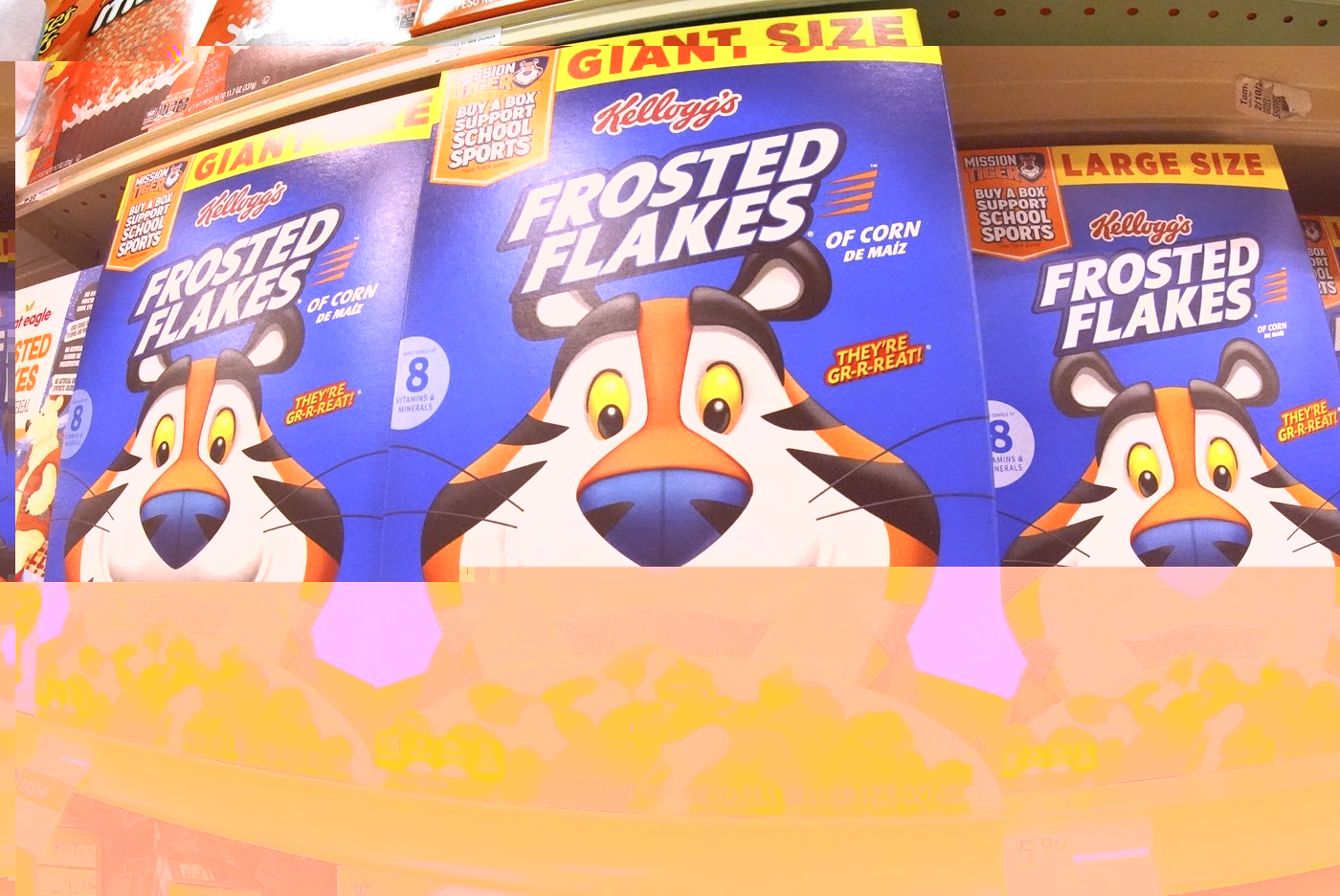
WK Kellogg, initially a division of Kellogg Company until a recent corporate separation, has a reputation for creating numerous well-known cereals that have been mainstays on breakfast tables for many years. Products like Corn Flakes, Frosted Flakes, Rice Krispies, and Special K have been key players in North American culinary traditions, positioning WK Kellogg as a desirable acquisition for any organization looking to establish or grow its presence in the breakfast market.
Ferrero’s interest in WK Kellogg highlights the evolving nature of the international food market, where conventional sections like ready-to-eat cereals are witnessing a comeback. Following a period of declining sales, driven by changes in consumer dietary preferences and the emergence of new breakfast alternatives, the cereal sector is now experiencing growth once more. This recovery is being propelled by various elements, including an increase in home meal consumption, a growing focus on convenience, and a sense of nostalgia among consumers for well-known brands.
Through the acquisition of WK Kellogg, Ferrero secures instant entry into a well-established range of cereals that enjoy significant brand loyalty. This strategic decision enables Ferrero to broaden its business beyond its traditional confectionery sector, which, despite global success, competes in markets with intense competition and limited growth prospects. Conversely, the cereal sector provides a chance for additional revenue avenues and market growth, especially in North America, where Ferrero has been actively boosting its financial commitments.
The $3.1 billion assessment underscores the perceived enduring worth of WK Kellogg’s assets and market standing. Ferrero has a history of strategic purchases that have facilitated its growth and adaptation to evolving consumer preferences. Over the past few years, the company acquired multiple American confectionery labels, including Fannie May, Ferrara Candy Company, and the previous Nestlé US chocolate division. Acquiring WK Kellogg strengthens this approach by introducing a fresh category to Ferrero’s growing business portfolio.
From a commercial standpoint, the purchase presents various synergistic opportunities. Ferrero can utilize its worldwide distribution channels to extend WK Kellogg’s presence beyond its typical markets. Moreover, the merger of Ferrero’s marketing prowess with WK Kellogg’s brand legacy might pave the way for innovation, development of new products, and promotions across different categories. Additionally, as Ferrero incorporates WK Kellogg’s production and supply chain networks into its operations, there is a chance for greater operational efficiencies.
Industry experts consider this purchase as part of a larger movement where food corporations aim to expand their portfolios to meet changing consumer desires. With the rising interest in health-focused, easy-to-prepare, and retro food items, companies are putting resources into well-known brands that can provide steady value and attract consumers across different age groups.
The cereal market, although frequently seen as well-established, continues to be an important part of the larger food sector. In the United States, breakfast cereal sales produce billions of dollars each year, with numerous households still depending on these items for convenient and well-known morning breakfasts. Additionally, cereal companies have responded to evolving health trends by launching products featuring reduced sugar levels, increased fiber, and plant-derived components, aiding them in staying pertinent within a health-aware context.
For Ferrero, choosing to take over WK Kellogg reflects a belief in the enduring strength of established brands. Despite the global food sector grappling with inflation, demographic changes, and the heightened need for sustainable goods, reputable household brands often thrive even when the economy faces difficulties. In times of uncertainty, people usually prefer well-known products, making the cereal sector a promising path for consistent expansion.
Besides the operational benefits, the purchase might bring fresh opportunities for innovation. Ferrero’s knowledge in the confectionery sector could result in inventive cross-branding products that mix its famous candies with well-known cereals. These partnerships could attract a younger audience, especially in regions where trends and brand combinations influence buying choices. The chance to introduce special edition cereals, seasonal items, or health-oriented options might further boost the overall portfolio’s worth.
Las direcciones de Ferrero y WK Kellogg han mostrado optimismo respecto a la transacción. Los representantes de Ferrero han destacado su compromiso con preservar la herencia de las marcas de WK Kellogg mientras invierten en futuro crecimiento. Del mismo modo, la dirección de WK Kellogg ha acogido la adquisición como una oportunidad para aportar nueva energía y recursos a su negocio de cereales, continuando así con el servicio a su leal base de clientes.
From a market viewpoint, the purchase highlights the increasing significance of mergers and acquisitions as a tactic for major firms to uphold their competitive edge. As consumer tastes change swiftly and new competitors disrupt established players, acquisitions offer a means to speed up expansion, enter new markets, and bring forth product innovations without the extended timelines linked to organic development.
The $3.1 billion transaction highlights Ferrero’s emphasis on enlarging its footprint in the food sector beyond its customary expertise. Despite sweets possibly continuing to be a core component of the company’s image, incorporating WK Kellogg’s cereal brands enables Ferrero to enter different markets and connect with consumers through diverse methods. This expanded involvement might also shield against fluctuations in any particular market category.
Although the acquisition still awaits regulatory approvals, initial responses from investors and market analysts have been mostly favorable. Numerous observers perceive the transaction as strategically beneficial for both parties, providing opportunities for mutual advantages without the typical disruptions of such deals. If finalized successfully, the acquisition could become an example for other food companies aiming to broaden their scope in an intricate and swiftly evolving market.
The agreement also demonstrates the continuous globalization in the food sector. Ferrero, an Italian firm with a solid presence in Europe, has gradually extended its influence throughout the United States and other significant markets. This recent purchase further strengthens Ferrero’s position as a major global food leader, able to contend with some of the largest entities in the industry worldwide.
For customers, the purchase might not instantly alter the selection of items they find in stores. Nonetheless, over time, they may notice new product options, joint marketing efforts, and possibly broader access to Ferrero and WK Kellogg products. While the two firms start to merge, the emphasis is anticipated to stay on providing value, quality, and innovation to customers while respecting the heritage of brands that have gained trust over the years.
The news of Ferrero purchasing WK Kellogg symbolizes a major milestone in the development of both organizations. It underscores the critical nature of strategic growth, robust branding, and flexibility within a sector heavily influenced by consumer behavior and worldwide economic dynamics. As the food industry keeps evolving, transactions such as this one show how established brands can sustain their relevance by exploring new paths for expansion and partnership.
Ferrero’s choice to purchase WK Kellogg for $3.1 billion signifies a strategically planned move toward broadening its horizons and increasing its market presence. By merging the capabilities of these two entities, the acquisition not only opens avenues for innovation and development but also underscores the persistent influence of reliable brands in the international food sector. As the integration proceeds, attention will be focused on how this collaboration will impact breakfast tables and snack aisles globally.